

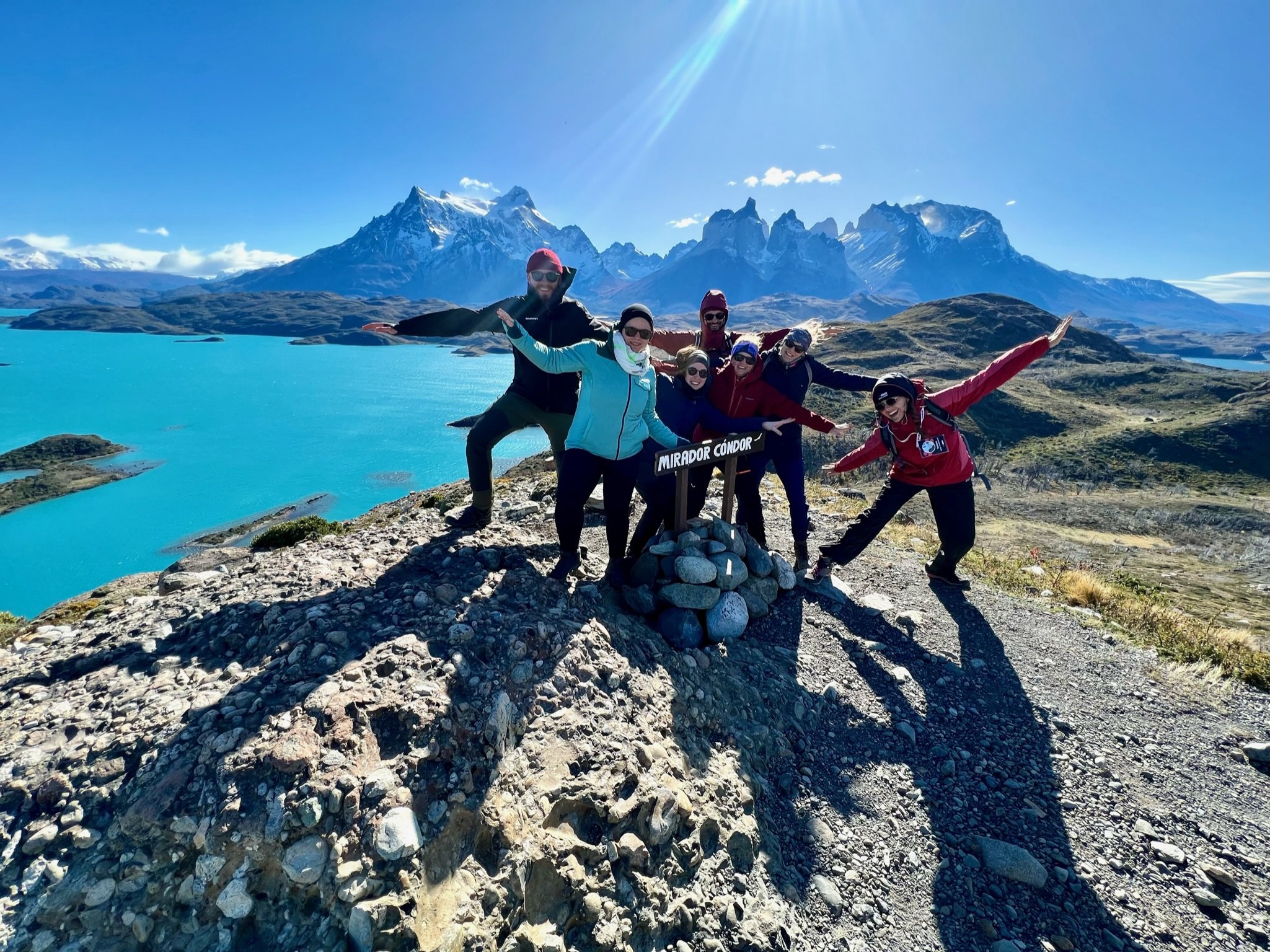

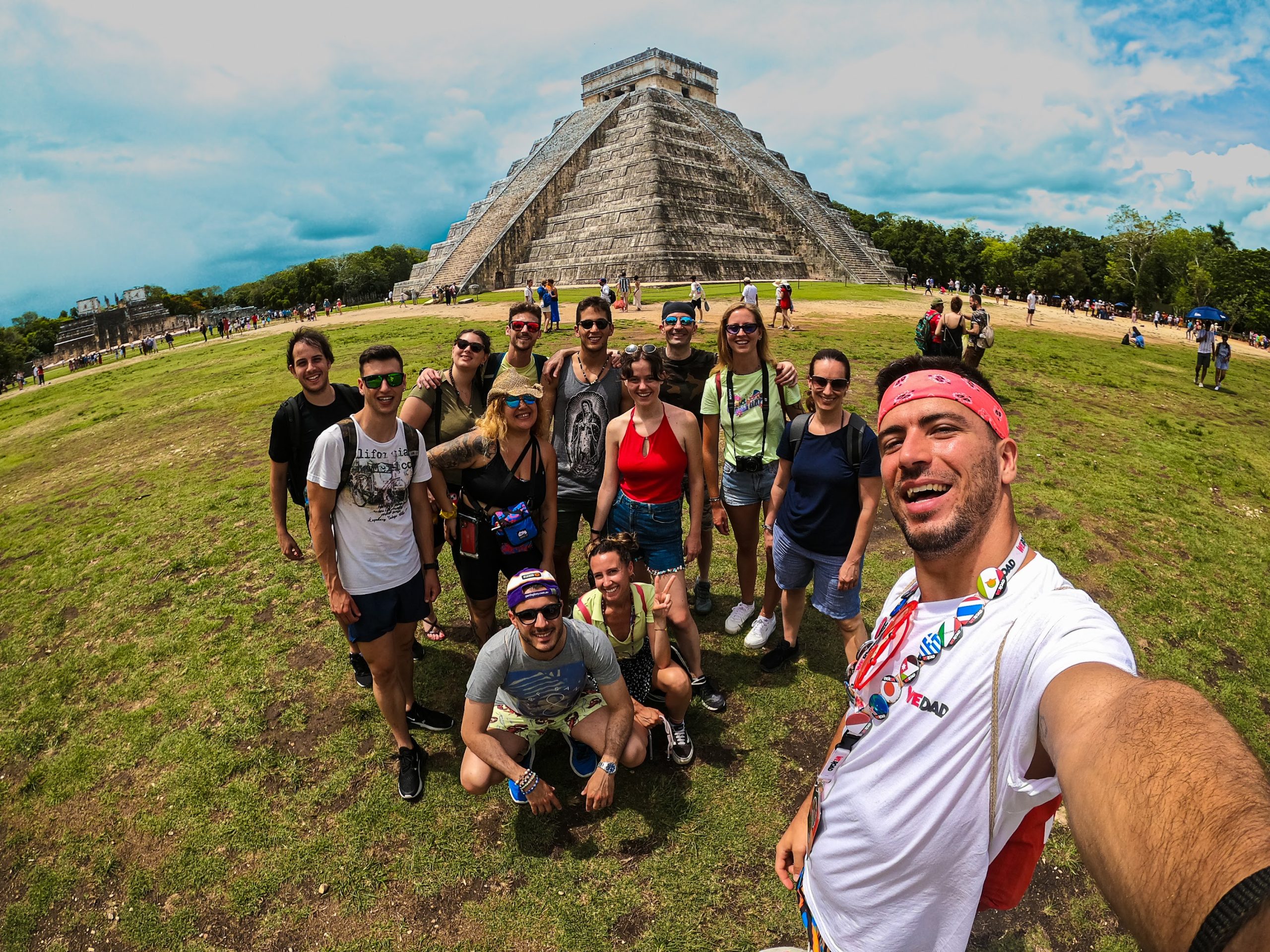
A survey by European adventure tour operator WeRoad, which organises small-group, on-the-road trips for solo travellers and friends in their 20s, 30s, and 40s, suggests that travel is where you are most likely to meet new friends.
The research concluded that of 5,000 people aged 20 to 40 across the UK, France, Germany, Spain and Italy, 45% replied saying travel is where they are most likely to meet new people, overtaking work or university (33%), friends of friends (31%), hobbies and sport (29%), events (28%) and dating apps or social media (9%).
The figure marks a rise from 30% when WeRoad carried out the same research in 2025. The operator said the research was conducted between February and May 2026 through an online survey of respondents across five European markets, including previous customers and travel enthusiasts.
The study also suggests that forming new relationships is becoming more difficult. Two-thirds (66%) of respondents said it is harder to meet new people today than it was in the past, up from 58% last year. Nearly half (47%) blamed the decline in spontaneous social interactions, while others cited lack of time (33%), not knowing where to start (25%) and social anxiety (21%).
Demand for face-to-face experiences also appears to be growing, with 72% saying they would like more opportunities to socialise offline.
According to the research, travel creates an environment where people are more willing to engage with others. More than four in five (83%) said they feel more open to meeting people while travelling, while 66% said they had formed at least one genuine connection with someone they met on a trip. More than half (52%) believed friendships formed while travelling were more authentic than those made in everyday life.
Fabio Bin, Co-founder and Chief Marketing Officer at WeRoad, said: “We wanted to understand why certain experiences still create meaningful connections between people, particularly against the backdrop of the global loneliness crisis.
“We know people remain hungry for connection and offline experiences, but the places where relationships actually form are changing. Everyday life no longer fulfills this need, and travel is beginning to replace it as the preferred space where people connect more naturally.”
The findings come as wider survey continues to highlight concerns around social isolation. The report references data from the OECD showing that only 11% of people in Europe see friends in person every day, while the World Happiness Report 2025 found that 19% of young adults globally say they have no one they can rely on, up from 14% in 2006.