
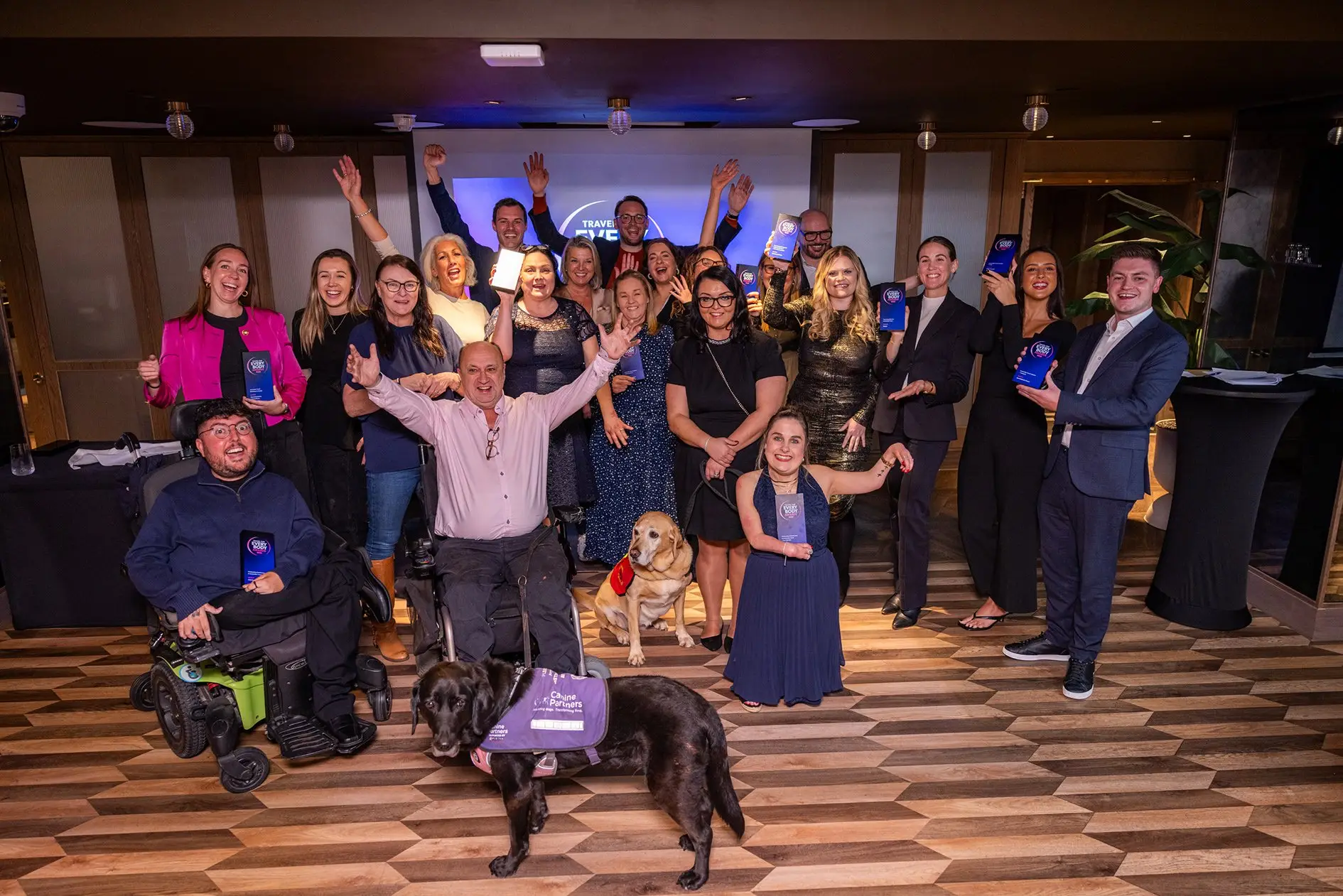
From airports to tour operators, destinations and accessibility influencers, the Travel For Every Body Awards 2025 winners shared a common thread: authenticity, innovation and clear evidence that accessibility is embedded throughout their business, not treated as an optional extra.
Here, we look at what stood out to the judges across last year’s 11 winning entries and how companies and individuals can use those lessons to strengthen their submissions this year.
Demonstrate real action
One of the strongest themes across the judging process was the importance of tangible, measurable action.
Dubai impressed the panel by demonstrating how accessibility had been embedded at scale across the destination. Judges highlighted the emirate becoming the first Certified Autism Destination in the Eastern Hemisphere, while Dubai International Airport achieved Certified Autism Centre status with more than 45,000 staff trained at the time of entry.
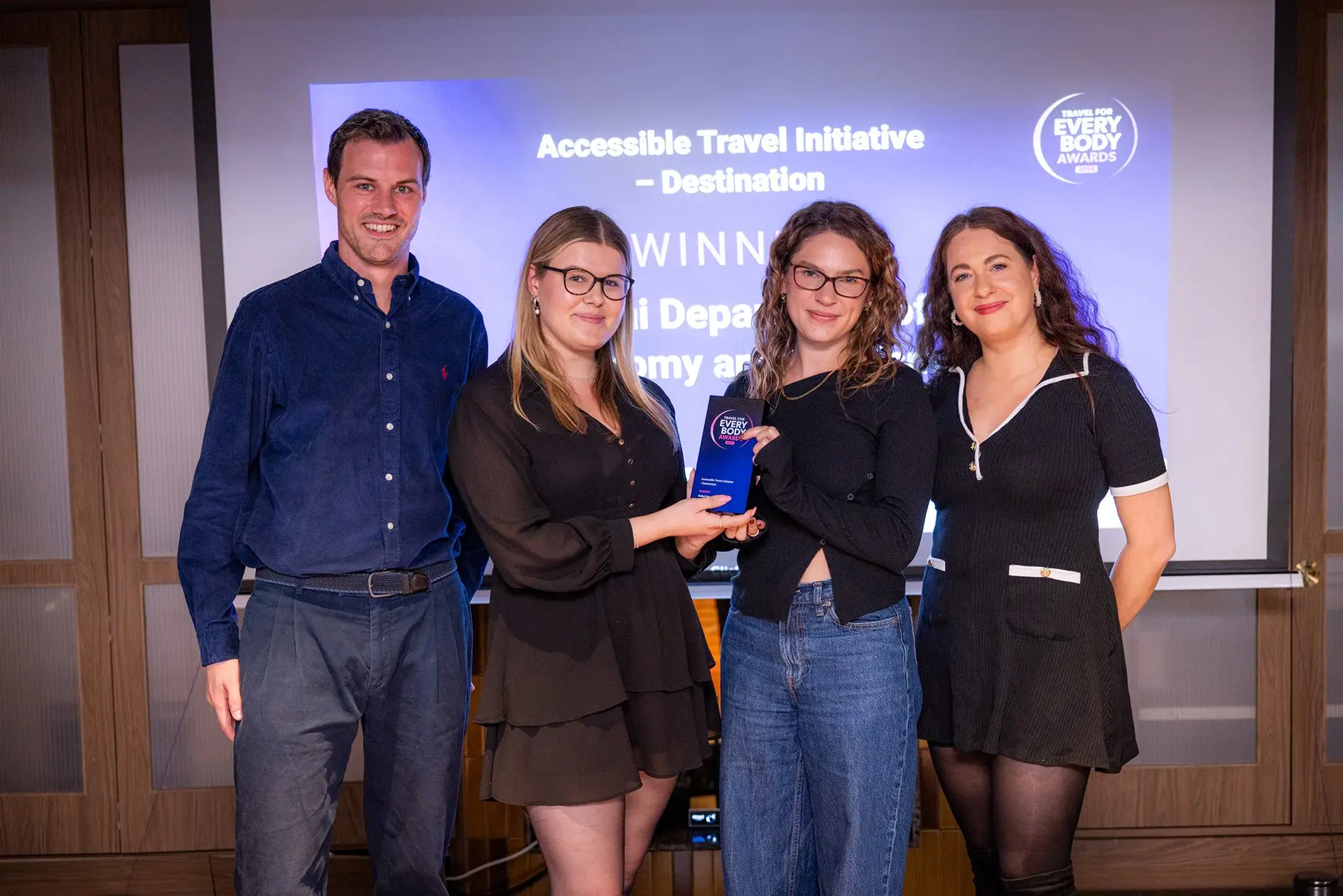
The judging panel praised these achievements because they were backed up with evidence, training figures and visible customer-facing initiatives.
Top takeaway: Focus on evidence for exactly what changes have been implemented in your organisation, rather than making broad statements about being “inclusive”. Entries should show how many people have benefited and how staff are trained, for example.
Prove you listen to customers
Judges consistently awarded businesses that actively involved disabled travellers and industry advocates in shaping their services.
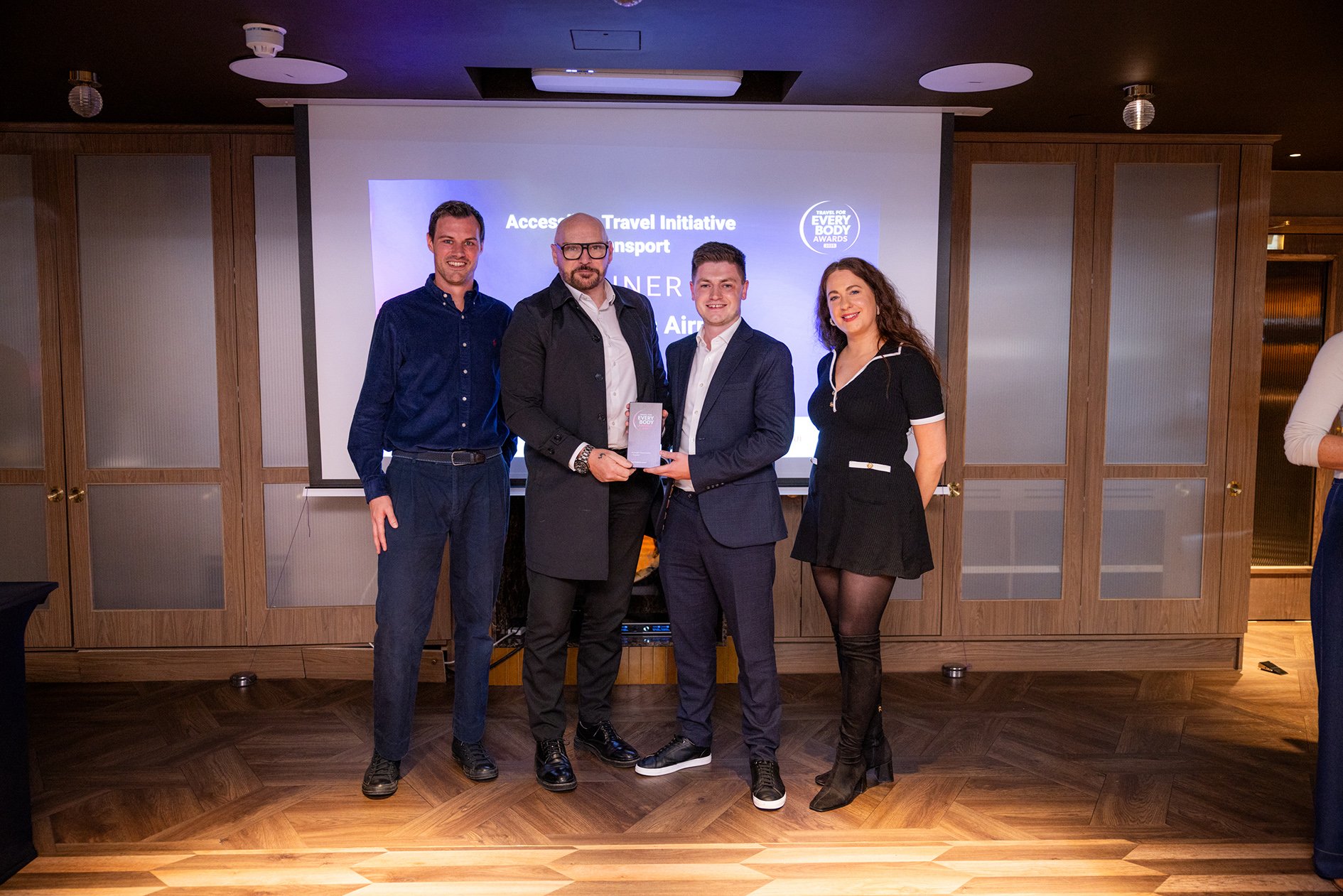
East Midlands Airport stood out thanks to its strong advisory group, which has real power to influence improvements across the airport. Judges praised the airport’s willingness to listen and implement feedback quickly, while practical initiatives such as WhatsApp live chat support and its ‘Try Before You Fly’ programme showed how feedback had translated into real-world solutions.

Similarly, Virgin Voyages impressed the panel with its responsiveness when accessibility issues came up during its sailings, moving to adapt experiences quickly based on guest needs.
Top takeaway: Entrants this year should clearly demonstrate how customer insight directly informs internal decision-making and service improvements, especially insight from those with lived-experience.
Authenticity matters
Another recurring theme was credibility and lived experience.
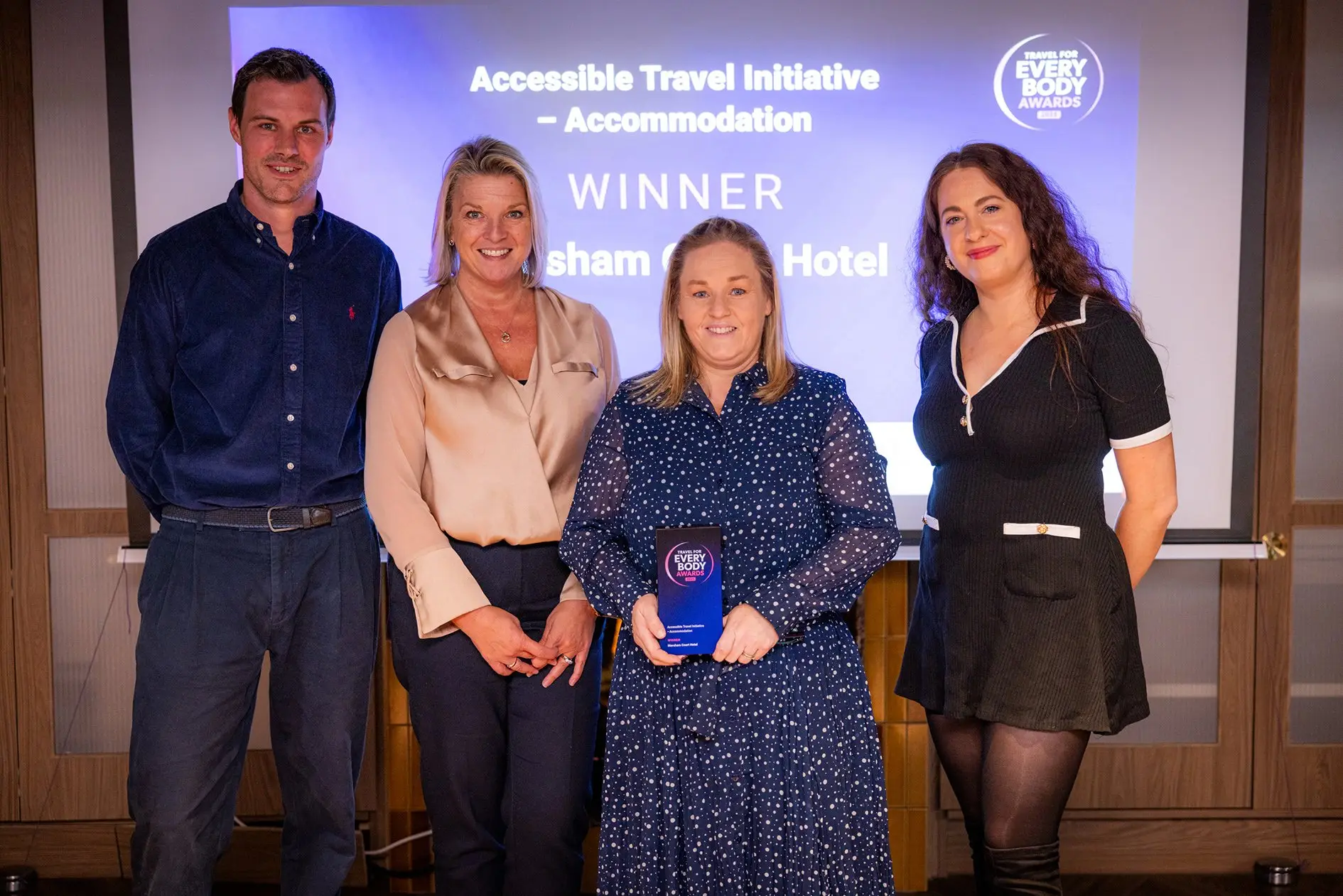
Marsham Court Hotel was praised not only for its accessible facilities but for the fact that 14% of its staff have lived experience of disability or neurodiversity. Judges felt this created an atmosphere of genuine understanding of guests’ needs and shaped the hotel’s culture to be inclusive.
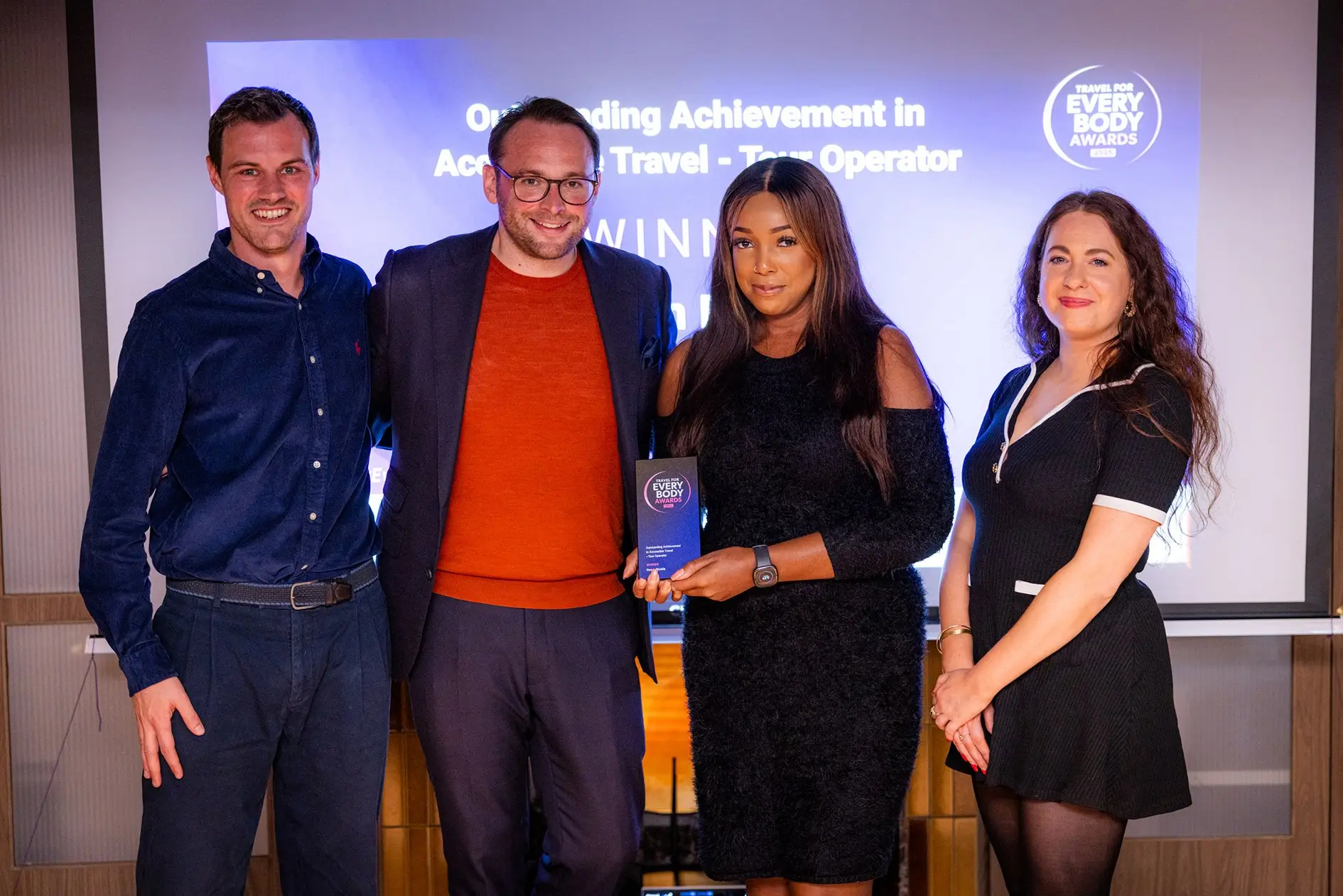
Ocean Florida also stood out because its CEO has lived experience with disability, helping drive what judges described as a thoughtful and authentic approach to accessibility across the business.
Meanwhile, World Accessible Holidays earned recognition for founder Paula Hansen’s long-term commitment to accessible travel, inspired by travelling with her wheelchair-user son.
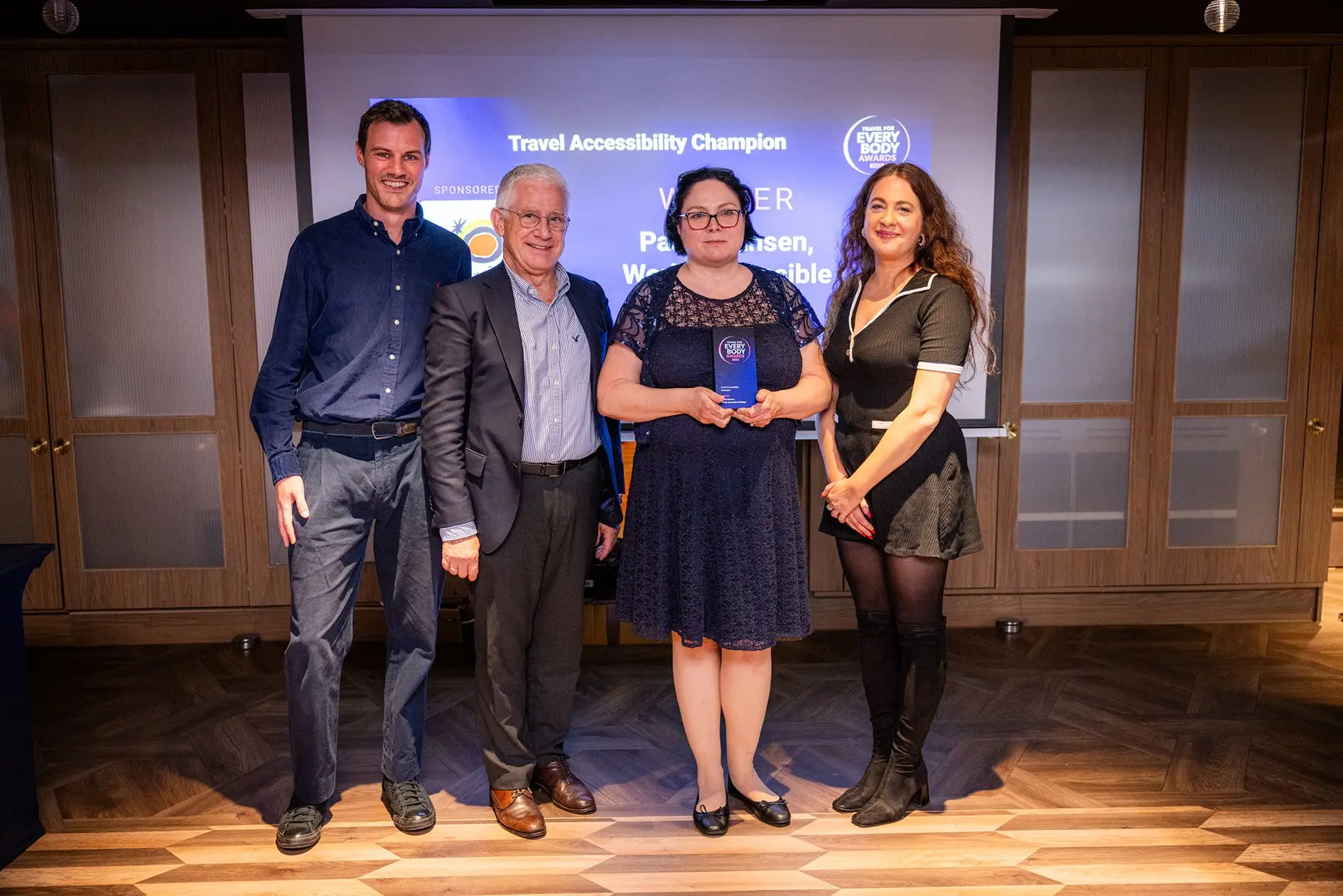
Top takeaway: Authenticity resonates strongly with our judges, who all have lived-experience of disability and travelling as a disabled person. They are looking for evidence that accessibility is part of a company’s values and culture, not simply a marketing tool.
Make accessibility visible
Several winners were recognised for how they communicated information on their accessibility offering clearly and without jargon.
The judges praised Marsham Court Hotel for prominently featuring accessibility on its homepage, something which is still surprisingly rare. The hotel also used real photos of accessibility features, such as pool hoists, rather than relying on written descriptions.
Accessible Japan was also praised for going the extra mile beyond just compliance and providing detailed, practical resources that genuinely help travellers navigate Japan confidently.
Top takeaway: For entrants, this highlights the importance of transparency and focussing on the details. Accessibility information should be easy to find, visually clear and realistic about what travellers can expect.
Innovation stands out
The judging panel also rewarded businesses that challenged assumptions and misconceptions around accessible travel.
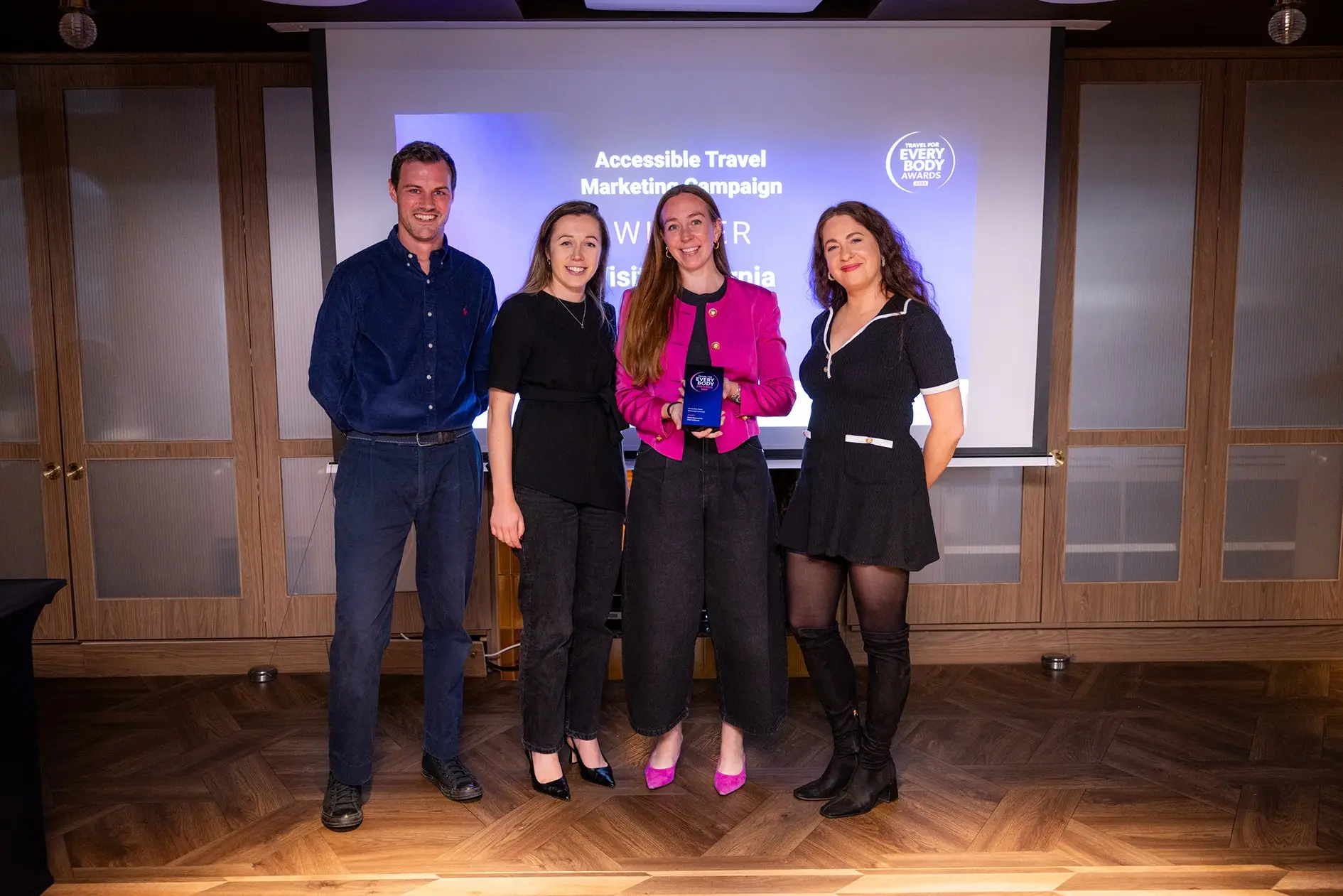
Visit California was praised for pushing boundaries with adventurous and aspirational accessible travel content. The involvement of prominent disability advocate and travel writer Sophie Morgan added authenticity and visibility to the campaign.
Vacayit particularly impressed judges with its immersive audio descriptions, which describe not only sights but also sounds, smells, tastes and textures for visually impaired travellers.
Top takeaway: When writing entries, remember that accessibility innovation does not necessarily need to be expensive or high-tech. Judges are often looking for fresh thinking that improves the confidence, independence and enjoyment of disabled travellers.
Think about the full customer journey
Winning entries also showed strong consideration for disabled travellers before, during and after a trip.
Danielle of Danielle Jade Travel was recognised for her “above and beyond” approach, which included easy-read documents, visual planners, post-trip photo albums and updates for families and carers while clients are away.

Judges valued these details because they showed a deep understanding of customer anxieties, planning needs and provided emotional reassurance throughout the holiday.
Top takeaway: Showcase how accessibility is considered at every stage of the journey and how support is provided – this could help strengthen entries significantly.
Content and storytelling are key
The judging panel repeatedly highlighted the power of positive storytelling and trusted content.

Cory Lee, creator of Curb Free with Cory Lee, was praised for creating informative and confidence-building content that helps disabled travellers feel comfortable exploring new destinations, even before they travel.
Top takeaway: Entries that combine practical accessibility improvements with compelling storytelling, plus customer testimonials and evidence of human impact, were clear frontrunners for the judges.
In summary…
Based on last year’s feedback, entrants can improve their chances by demonstrating:
- Measurable accessibility improvements
- Evidence of customer feedback shaping services
- Authenticity and lived experience
- Clear and visible accessibility information
- Innovation that improves confidence and independence
- Staff training and culture change
- Consideration for the entire customer journey
- Real-life impact and storytelling
Most importantly, last year’s winners showed that accessibility is no longer viewed as a niche initiative but as essential for creating and offering great travel experiences for all customers and individuals.
Enter yourself or your business here by June 15: travelforeverybody.com