




To mark the International Day of the World’s Indigenous Peoples on August 9, we are celebrating the ancient traditions and cultures that have shaped indigenous communities across the world for millennia.
From the Aboriginal peoples of Australia to the Inuit communities in Canada, the territories of indigenous peoples span around 28% of the world and contain 11% of the globe’s forests. According to the United Nations, there is an estimated 476 million indigenous people spread across 90 countries.
Including an indigenous tourism experience in a clients’ itinerary can encourage a deeper connection with the destination and a better understanding of the local people and their beliefs. It is often a highlight of the trip, so why not include one of the below on an itinerary?
1. Tahiti, French Polynesia
The indigenous people of French Polynesia focus on communal living and respect for the land and ocean. Settling over 1,000 years ago, they navigated vast oceans by seafaring and knowledge of the stars and currents.
Traditional arts span tattooing, a dance titled ‘Ori Tahiti’, music and carving. Festivals, rituals, sustainable living practices and resource management are cornerstones of Polynesian culture.

2. Hokkaido, Japan
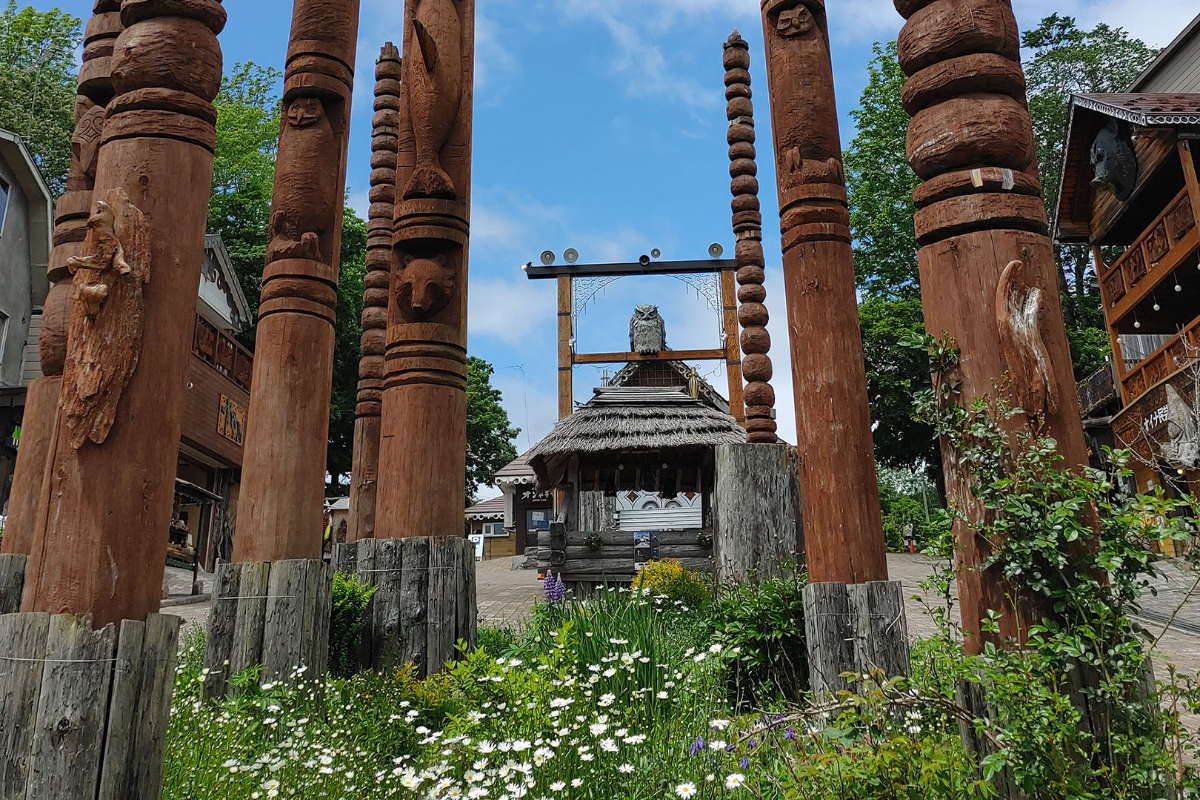
The largest village or Ainu Kotan in Hokkaido is the Lake Akan Ainu Kotan. Visitors can find shops selling traditional wooden crafts and restaurants serving Ainu cuisine.
The ‘spirit of six’ is an important concept in Ainu culture. It refers to interacting, creating, eating, inheriting, releasing and living with nature. The Akanko Ainu Theatre Ikor is also dedicated to preserving and passing on history through traditional performances. One of which is Lost Kumay, a combination of an ancient ceremonial dance — and registered UNESCO Intangible Cultural Heritage — with digital art and contemporary dance.
3. Girri Girra, New South Wales, Australia
This Aboriginal-owned business focuses on educating people about Aboriginal society and culture through scenic walking tours. Guests can opt for an overnight bush camp in the Ourimbah State Forest with an Aboriginal-owned tour operator on the Central Coast.
A sunset smoking ceremony is followed by Indigenous dancing and storytelling under the stars. The ancient art of body painting with ochre and a guided bush walk during the day are also on the agenda.

4. Rapa Nui, Chile
Better known as Easter Island, Rapa Nui offers a deep dive into iconic Moai statues. Travellers can learn about their historical and spiritual significance from local guides.
They can also take part in traditional dance and music performances, indulge in local cuisine and discover captivating stories passed down through generations. The annual Tapati Rapa Nui Festival showcases traditional sports, crafts and rituals.
5. The Santa Ynez Chumash Museum and Cultural Centre, California
Scheduled to open in late 2024, the centre will explore the rich heritage of the Chumash people. The museum was designed by architect Johnpaul Jones. Highlights include indoor exhibition galleries, a 3.5-acre cultural park and an outdoor living museum. The permanent Welcome Gallery is where the tribe’s millennia-old message is embedded.
6. Northwest Native Canoe Center’s Carving House, Seattle, Washington
The United Indians of All Tribes Foundation is developing a Carving House on South Lake Union to showcase Pacific Northwest canoe culture and its links to Indigenous American culture. For thousands of years, the Coast Salish people were stewards of the land and water.
The Carving House aims to provide insight into the distinctive varieties of Native American culture with the help of Native carvers. Canoe carving programmes and storage are also available. Docents will explain the northwest Native American skills and beliefs, too.
7. Red Heritage Dinner Theatre, Page, Arizona
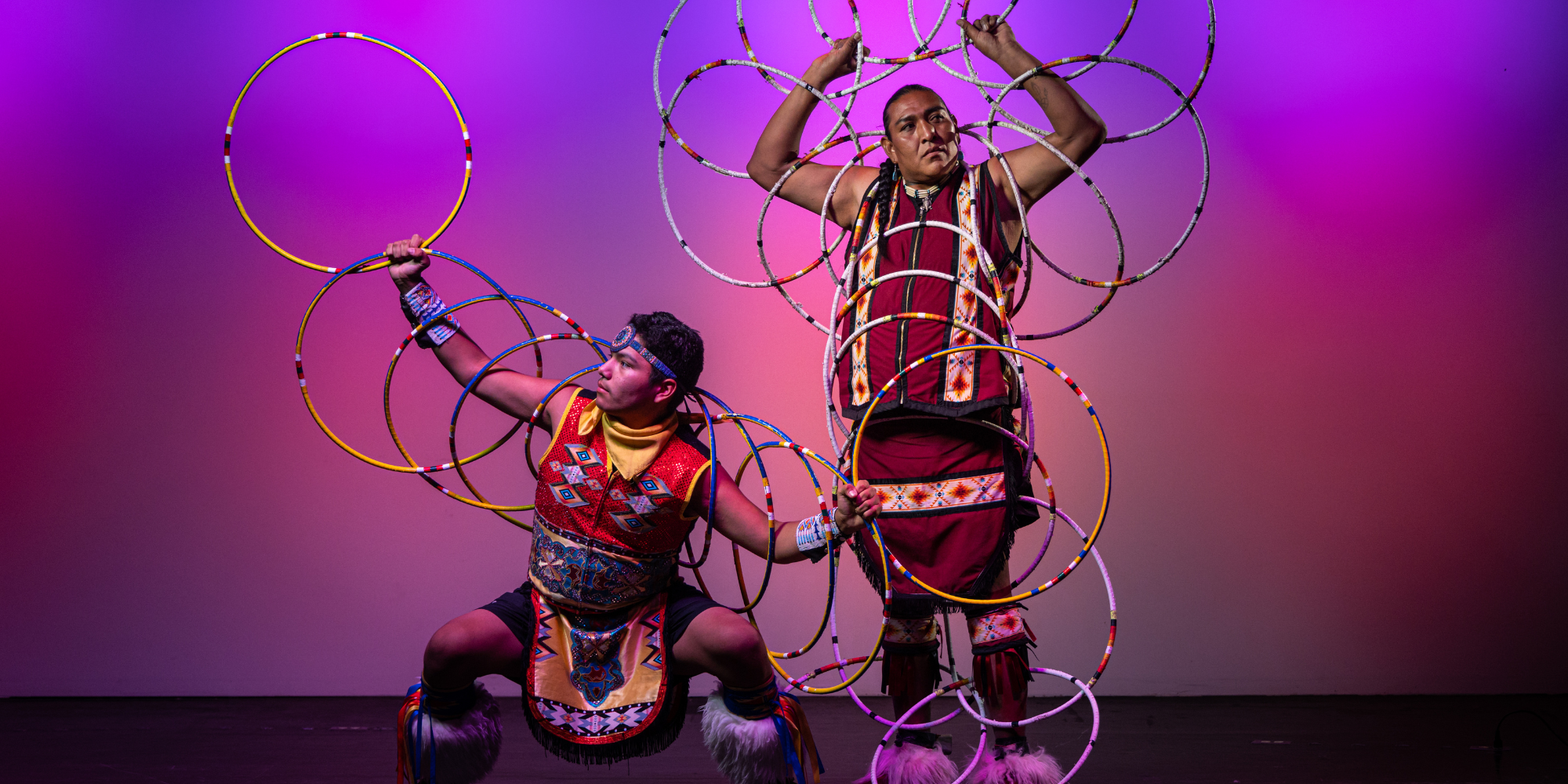
This Navajo-owned and operated dinner theatre sees local Navajo dancers share their tribe’s stories through traditional dances. Guests can witness hoop dancers adorned in colourful attire dancing to drums and flutes. Cuisine comes in the form of Navajo tacos made with fresh, chewy frybread topped with chilli, beef, corn and salsa.

8. Mesa Verde National Park, Colorado, USA
For over 700 years, the Ancestral Pueblo people lived on the mesas and in the cliffs of Mesa Verde. Cliff Palace is the largest cliff dwelling in Mesa Verde National Park in Colorado. It is crafted of wooden beams, sandstone and mortar.
The park protects the rich cultural heritage of 26 Pueblos and Tribes. As a World Heritage Site and International Dark Sky Park, it is home to over a thousand species that can’t be found anywhere else. There are over 150 rooms and more than 20 kivas (spaces for religious rituals). It is said that the palace once had a population of 100 people.
9. Métis Crossing, Canada
Located northeast of Alberta’s capital city, Edmonton, lies Métis Crossing. This cultural centre was designed and built by Métis people to tell their story in their own way. Highlights include overnight accommodation in sky-watching domes, bison spotting in its wildlife park and indulging in Indigenous-inspired cuisine.
Elder and Knowledge Holder Lilyrose Meyers hosts cultural and interpretive programmes to impart knowledge, teach traditions and share culture – such as the traditional art of moose-hair tufting.
10. Suquamish Museum, Washington State
Suquamish Museum on Kitsap Peninsula is a LEED Gold-certified Museum and traces Suquamish history back to the last ice age. Travellers can admire cultural baskets, carvings and artefacts. They can also pay their respects at Chief Seattle’s gravesite. The chief was a Suquamish and Duwamish, best known for his speech on Native rights and environmental values. The city of Seattle is named after him.


