

This year’s Africa’s Travel Indaba, held in Durban from May 12-14, showcased an industry that is not only resilient, but increasingly confident in its future.
Against a backdrop of global economic uncertainty and shifting travel behaviour, the mood across the show floor was one of optimism. From record visitor numbers into South Africa and ambitious aviation expansion plans, to a growing focus on sustainability, wellness, birding and community tourism, Indaba demonstrated that Africa’s tourism product is evolving rapidly beyond its traditional safari image.
It was a message that is particularly suited for the UK market. Strong demand underlines how travellers are looking for deeper and more diverse experiences, and the continent is positioning itself for long-term growth.
UK market returns to the top
South Africa confirmed that the UK has reclaimed its position as the country’s number one inbound tourism market, with more than 400,000 British arrivals in 2025 – the strongest annual performance since the Covid-19 pandemic.
Value for money, great hospitality and a growing appetite for eco-tourism and experiential travel continue to drive demand, with increasing interest from those looking beyond the well-worn safari experiences.
Rachel Lewis, Acting Head of South African Tourism UK, said: “We are also seeing a growth in first-time visitors and multigenerational travellers who recognise that there are few places in the world where the holiday budget stretches so far.”
Improved airlift is helping to support that momentum. British Airways will add a third daily flight to Cape Town this winter, while Virgin Atlantic continues daily year-round services to both Cape Town and Johannesburg. Norse Atlantic Airways also operates a seasonal Gatwick-Cape Town service.
Tourism at the heart of economic growth
South Africa’s Minister of Tourism, Patricia de Lille, used Indaba to reinforce tourism’s importance to the national economy.
“Tourism has been recognised by our government as one of the five sectors that can help us grow our economy and create more jobs,” she said. “. The emphasis now is to better coordinate with our European markets and in particular in the UK and Ireland.”
South Africa recorded a record 10.5 million international arrivals in 2025 and is now targeting 11 million in 2026.
But de Lille was keen to stress that the country must diversify beyond is ‘safari and Cape Town’ narrative.
“We are trying to shake off the perception that South Africa is all about safaris and Table Mountain,” she said. “We want to start activating Gen Z and Millennial travellers and better understand what younger travellers are looking for so that we can curate suitable packages.”
Adventure tourism, sports tourism and digital visa improvements are all central to the country’s future growth strategy.
“We are safe, affordable and ready to receive the younger adventurous generation,” she added.
Accessibility was also a strong talking point at the show, with a new universal access pathway on the summit of Table Mountain designed to improve access for wheelchair users and visitors with mobility challenges.
Africa’s tourism industry looks beyond safari
One of the strongest themes throughout Indaba was the industry’s determination to reposition Africa as a multi-dimensional destination.
That message was echoed by Virginia Messina, newly appointed Group CEO of African Travel and Tourism Association.
Messina, formerly Executive Vice President of the World Travel & Tourism Council, believes partnerships and collaboration will be crucial to the sector’s future, and that meant designing product with operators that was attractive to Millennials and Gen Z travellers.
“The current environment is challenging, but there is continued demand for long-haul, experiential and nature-based travel,” she said. “Many opportunities exist for destinations perceived as less crowded or more exclusive.”
She also highlighted the economic importance of the sector, noting that travel and tourism contributes more than £150 billion to African economies and is forecast to exceed 10% of the continent’s GDP by 2030.
“Africa is brimming with untold stories, powered by a young population and some of the fastest-growing destinations in the world,” she said.
Angola opens up
Among the destinations generating considerable buzz at Indaba was Angola, which is positioning itself as one of Africa’s most exciting emerging tourism markets.
Secretary of State for Tourism Dr Augusto Kalikemala described tourism as a key pillar of economic diversification and highlighted the country’s new “Visit Angola – The Rhythm of Life” branding campaign.
“Following 20 years of peace we are well set to welcome tourists,” he said. “We are visa-free and one of Africa’s most undiscovered and culturally rich destinations.”
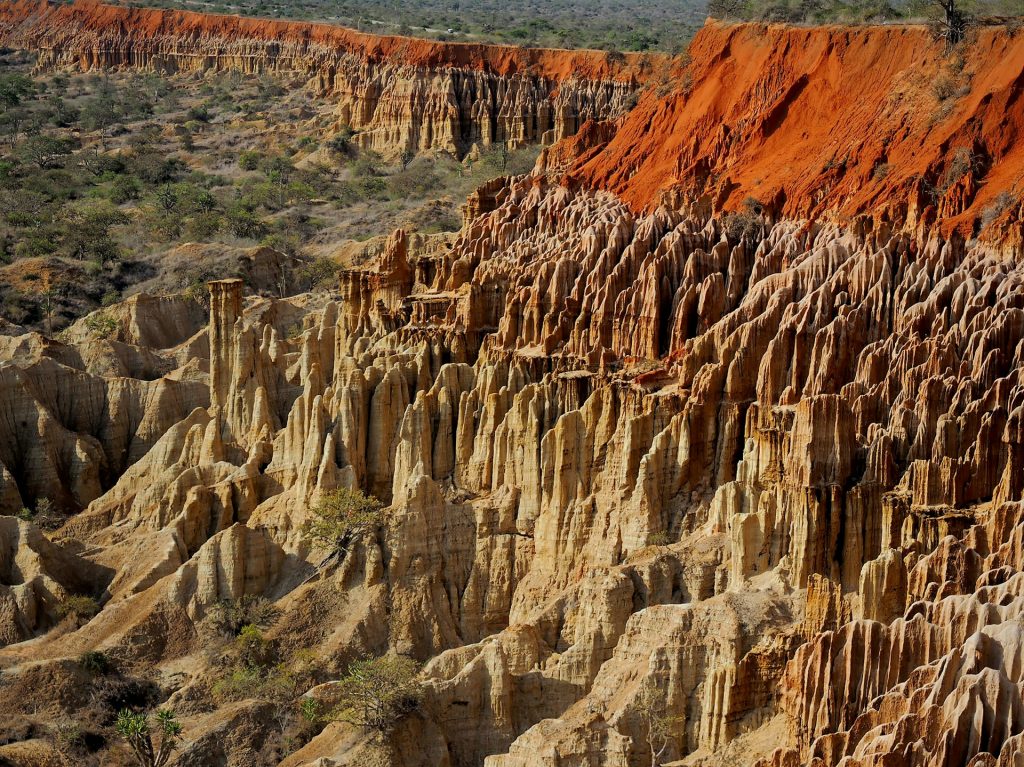
Angola is promoting a remarkably varied tourism product, from the Kalandula Falls and Atlantic beaches to rainforest, desert landscapes, Big Five wildlife and Portuguese-influenced gastronomy. It is promoting its ease of access, with state-owned carrier TAAG Angola Airlines offering a solid route network, and regular services for Uk visitors with TAP via Portugal.
“We believe now is the time to visit Angola and see our natural beauty in its raw form,” he added, identifying the UK and Ireland as priority source markets.
Aviation and hotel investment continue
Connectivity and infrastructure announcements also underlined the continent’s long-term confidence.
Air Tanzania announced plans to launch three weekly direct flights from London Gatwick to Kilimanjaro and Zanzibar from July 2027, while Air France is reportedly exploring increased services into Durban following the opening of Club Med South Africa Beach & Safari at Tinley Manor on July 4.
The 500-room resort marks Club Med’s first property in South Africa and will combine beach stays with safari experiences through its own dedicated safari lodge operation.
Meanwhile, Durban secured a major boost after South African Tourism confirmed the city will remain the permanent host of Africa’s Travel Indaba for the next five years.

New trends: wellness, birding and community tourism
Indaba also highlighted several fast-growing niche sectors reshaping African tourism.
Birding tourism is increasingly attracting affluent specialist travellers, particularly across Southern Africa. The Kavango-Zambezi Transfrontier Conservation Area (KAZA), spanning five countries from Angola to Zimbabwe, now features internationally certified birding guides and ambitions for seamless visa-free travel across the region.
As Kruger National Park celebrates its 100th anniversary, operators are increasingly recognising that visitors are seeking experiences beyond the Big Five.
Wellness tourism is also gaining traction. In Rwanda’s volcanic highlands, Wilderness unveiled the Sanctuary at Bisate, a dedicated wellness space focused on restoration and reflection.
“This is an important new chapter for Wilderness Rwanda,” said Chairman Manzi Kayihura.
Community conservation remained another major talking point, particularly in Zimbabwe, where Imvelo Safari Lodges continues to gain international recognition for its work linking tourism, wildlife protection and local livelihoods.
Founder Mark Butcher began developing community-based conservation initiatives more than 20 years ago after witnessing severe rhino poaching around Hwange. Today, the company works closely with local communities along the Hwange border, where poaching has significantly reduced and rhino reintroductions are delivering growing socio-economic benefits.
Imvelo’s newly opened Tum Tum Treehouse Lodge continues that conservation-led approach, while the company’s wider projects include anti-poaching programmes, community healthcare initiatives and additional land allocation for wildlife protection.
Luxury growth across the continent
Luxury tourism investment continues at pace across Southern and East Africa.
In Zambia, entrepreneur and barrister Tolayi Sikumba attracted attention with her fast-growing luxury safari business Shearzone Safaris, featuring the Lower Zambezi-based Nzovu Rundu and Mozhi Bush Camp in Kafue.
Zimbabwe’s Africa Albida Tourism is preparing to launch Albida – Victoria Falls, a new all-inclusive boutique retreat with 13 private villas opening in September.
Elsewhere, Malawi’s Maokola Retreat on the shores of Lake Malawi is expanding with 20 new family units in response to growing demand for multi-generational travel.
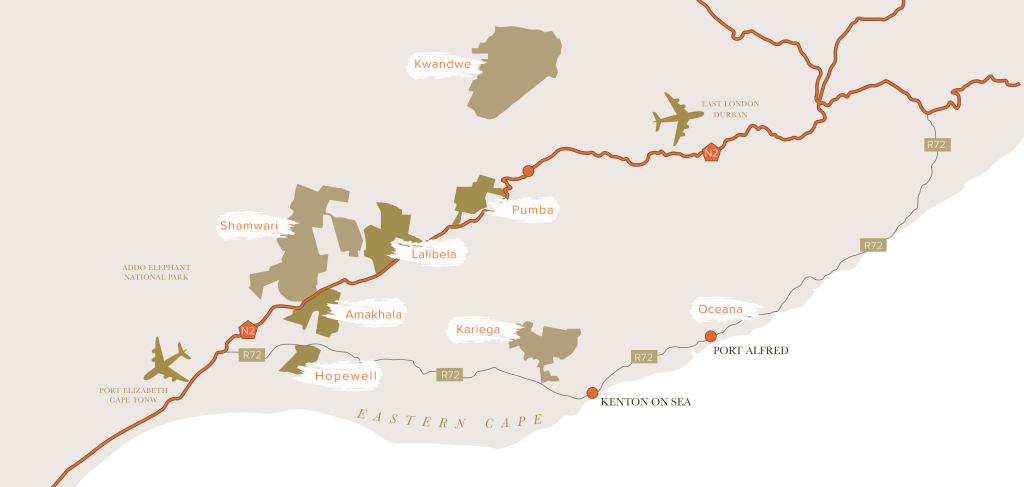
The Eastern Cape is also working to reposition itself through a new initiative titled Wild Eastern Cape – Where Safari Meets the Sea, designed to encourage travellers to explore beyond the Garden Route.
As Africa’s tourism sector continues to evolve, diversify and modernise, Indaba highlighted how the continent has widened its offering to include culture, wellness, adventure, conservation, gastronomy and luxury. The job now is how the industry here gets that message out.