



1. Feeling-inducing trips
Audley’s destination specialists report a rise in discussions about how clients want to feel on their trip, as well as what they want to see and do.
Alex Bentley, Head of Product at Audley Travel, says: “As the world has become ever more connected, people have become more disconnected. How people travel has changed but the importance of leisure travel remains, especially the need to connect with both the people they travel with and the people they meet.
“Clients are increasingly realising that the human element is essential in trip planning. While AI can give information, it can’t understand how it feels to have an experience. As a result, the conversations we have with clients to design their ideal trip have an ever-growing focus on those feelings.
“And, as our specialists have travelled extensively or lived in the destinations they sell, they can speak with authority and accuracy on how to experience those feelings.”
2. A heart rate high (or low)
Adrenaline-inducing experiences are on the rise, and they typically fall into clear “love it or hate it” categories.
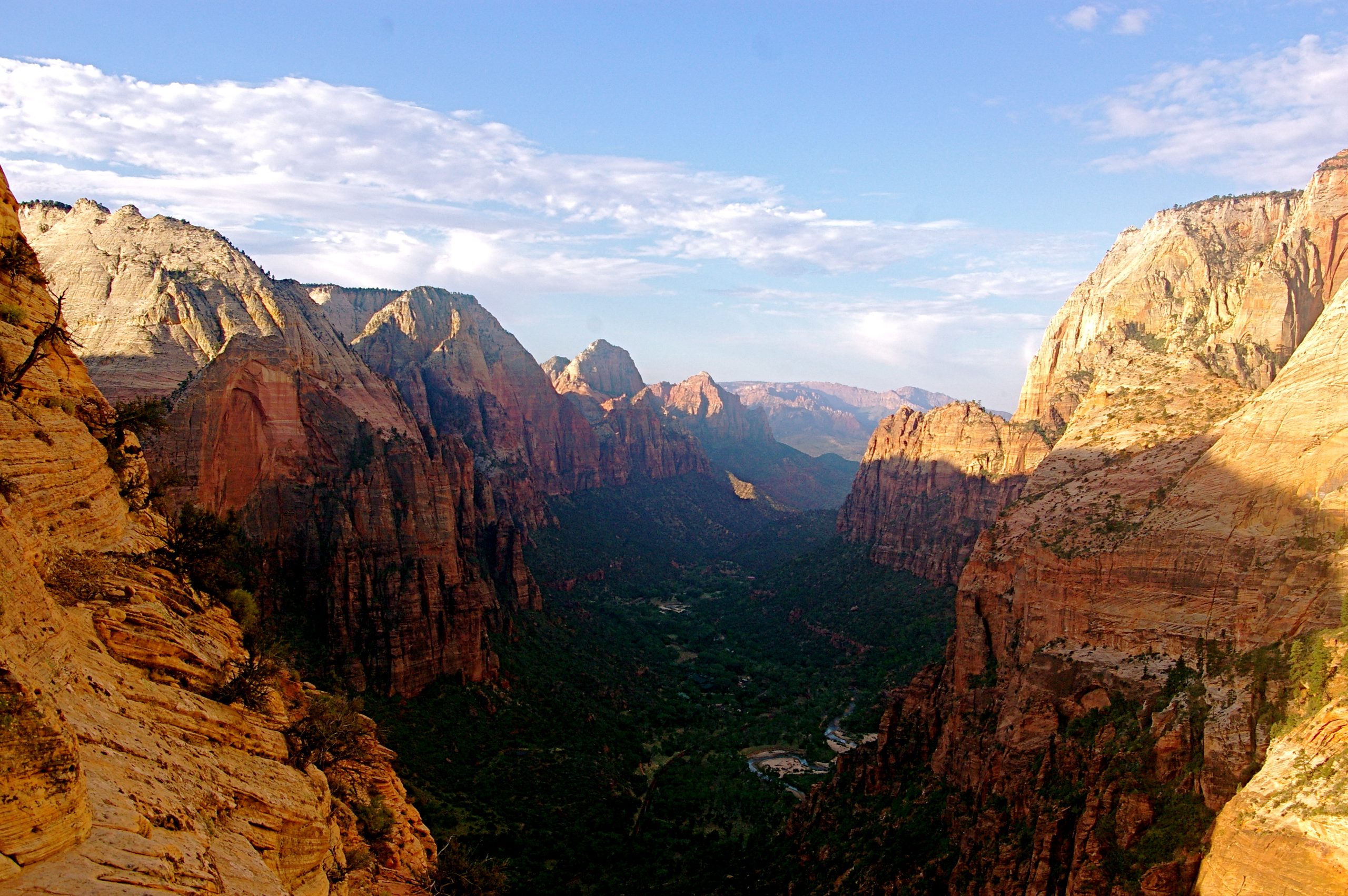
Bentley says: “From sailing across the notoriously choppy Drake’s Passage on the way to Antarctica or walking across the Zhangjiajie Glass Bridge in China, to hiking the notoriously steep and narrow rocky path of Angels Landing trail in Zion National Park or exploring the cramped, claustrophobic Cu Chi tunnel complex of the Vietcong on the outskirts of Ho Chi Minh City, we find clients give us an immediate yes or no when we suggest these types of experiences.”
3. The insider’s re-route
Rising visitor numbers across Audley’s portfolio have driven demand for places that offer similar experiences to the popular hotspots, but with fewer visitors. As a result, they often deliver a more authentic experience.
Bentley’s examples:
- Sri Lanka: Instead of the standard Cultural Triangle, clients are staying in more rural properties (typically with fewer than 10 rooms) on tea estates, in national parks and in rainforests.
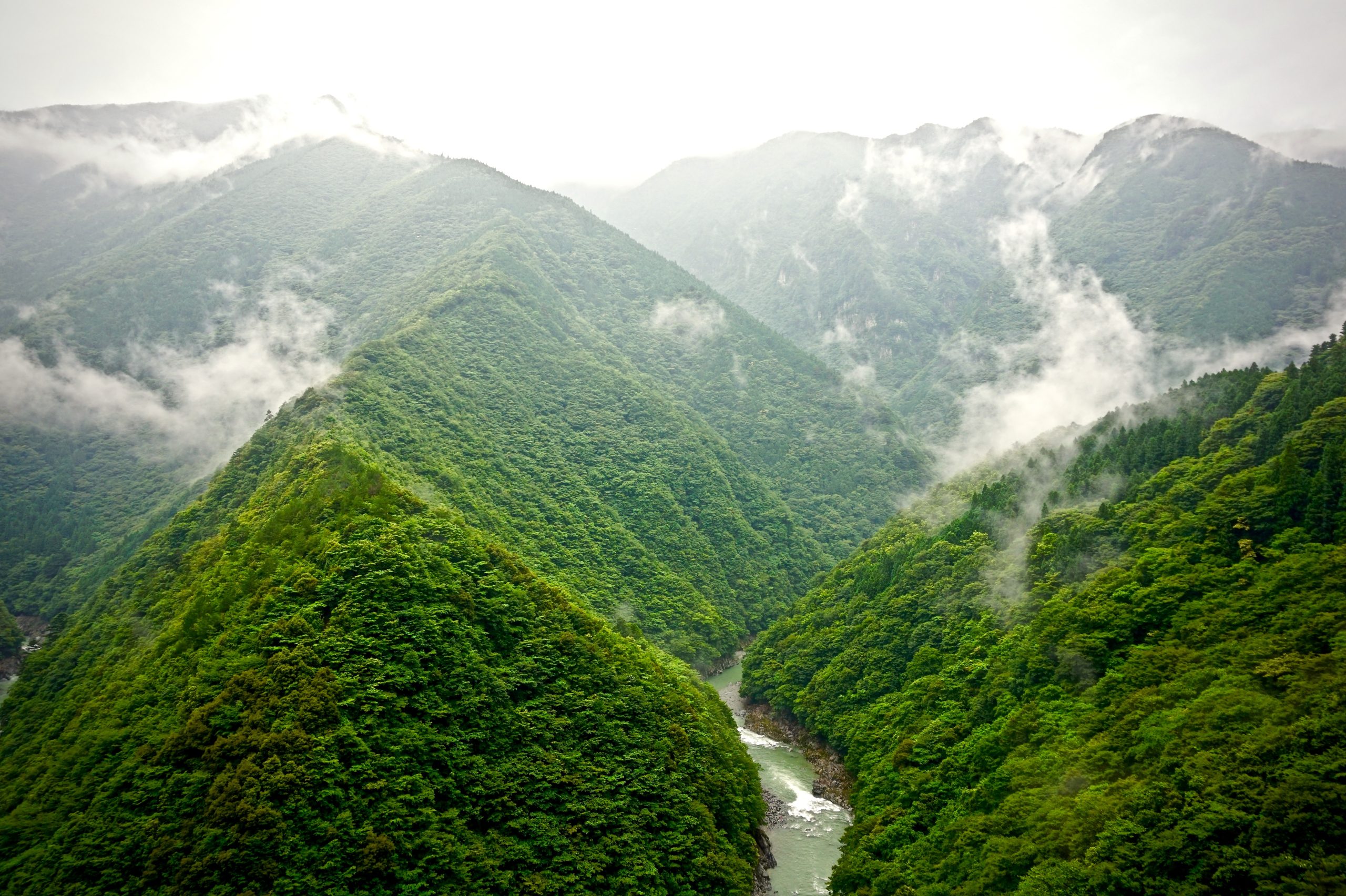
- Japan: In place of touring the Japanese Alps, clients are visiting the tall peaks and gorges of Iya Valley in Shikoku.
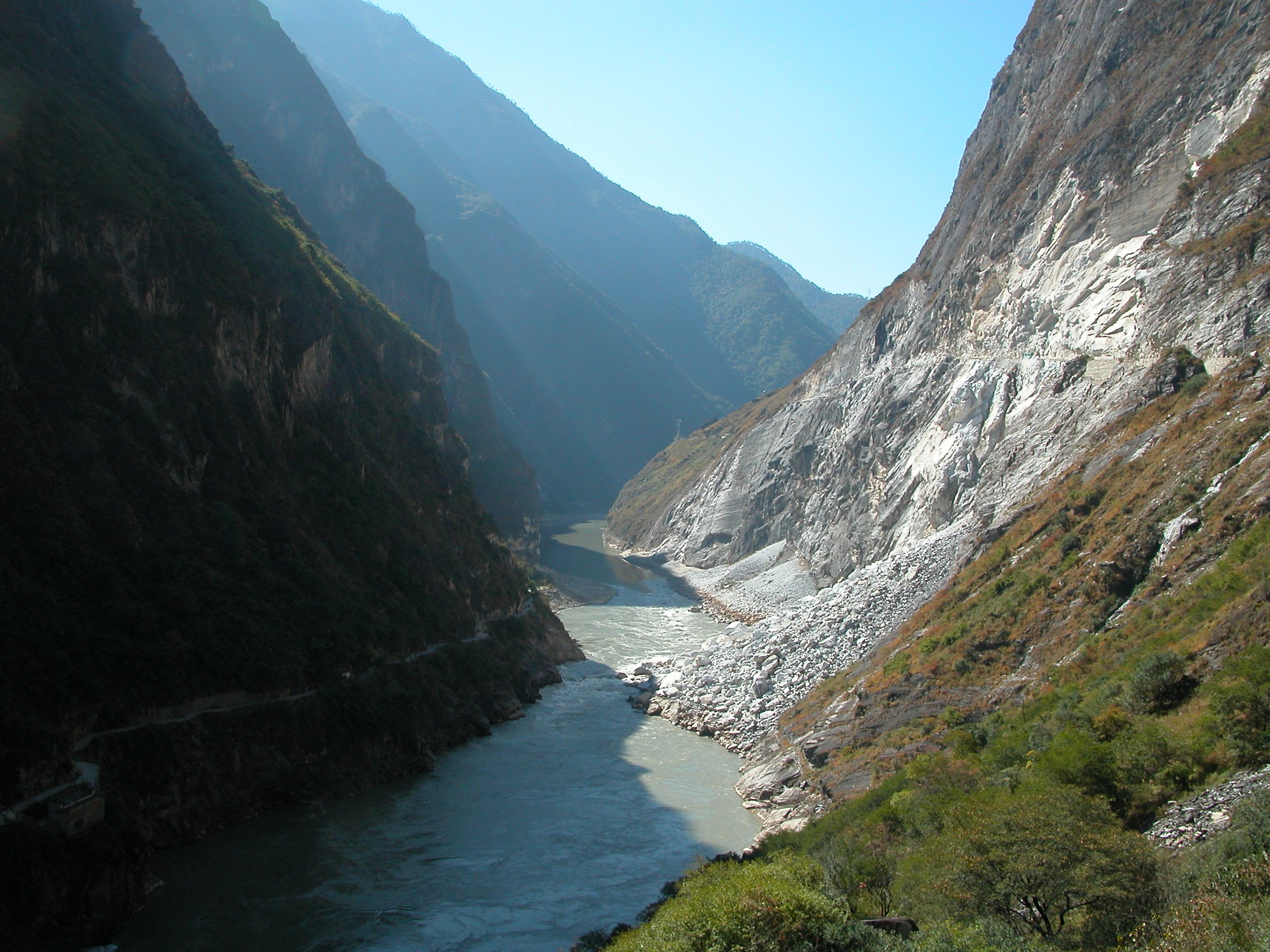
- China: Shangri-La and Tiger Leaping Gorge are replacing the well-travelled Guilin/Yangshuo mountain and river areas.
- French Polynesia: Clients are exploring lesser-visited islands, including Tikehou (very remote and great for views of the Milky Way in the night sky), the tribal and remote Marquesas Islands and the Austral Islands. Aranui’s new ship, Aranoa, will visit the Austral Islands archipelago, with the maiden voyage in the spring. These islands are “the definition of untouched land, typically seeing about 100 visitors per year”.
The same shift is happening between countries. Clients are seeking out cherry blossoms or autumn colours in South Korea rather than Japan, or choosing Croatia as an alternative to Italy for the weather, history, culture and food.
4. Family chapters
In 2026, Audley reported the rise of the multi-spoke itinerary, where clients book multiple ways of experiencing the same destination so each family member enjoys it in the way that suits them best.
For 2027, multi-spoke tours are being complemented by days designed for family members to break off from the group and indulge their personal passions, essentially dividing the trip into chapters to suit different tastes.
Bentley says: “As an example, in Sri Lanka, one family member could hike with a local guide, while the others take a city tour. In Cairo, a tour of Coptic Cairo could be arranged for one family member, while others take a food tour, both with local, expert guides.
“The balance of days spent together (whether altogether on a tour or as part of a multi-spoke day) paired with dedicated time for an individual to indulge in what truly interests them, ensures they return home with incredible memories that will last a lifetime.”
5. The slow travel pace continues
Demand for slow travel is still gaining momentum, but now with a wider definition.
Bentley says: “As well as spending longer in fewer places, Audley has also seen a rise in interest in slowed-down experiences. For example, a walking safari to look for polar bears in Canada’s northern Manitoba (in contrast to a flight over), or choosing to explore Japan or Vietnam’s coastline by cruise rather than land, using sea days to relax and allowing the days on land to be spent immersed in the experiences and the culture.
“Audley is also seeing growing demand for slow-travel experiences across Europe, particularly walking and hiking itineraries in Spain and Portugal, with the Camino proving especially popular.”
6. Shifting seasons
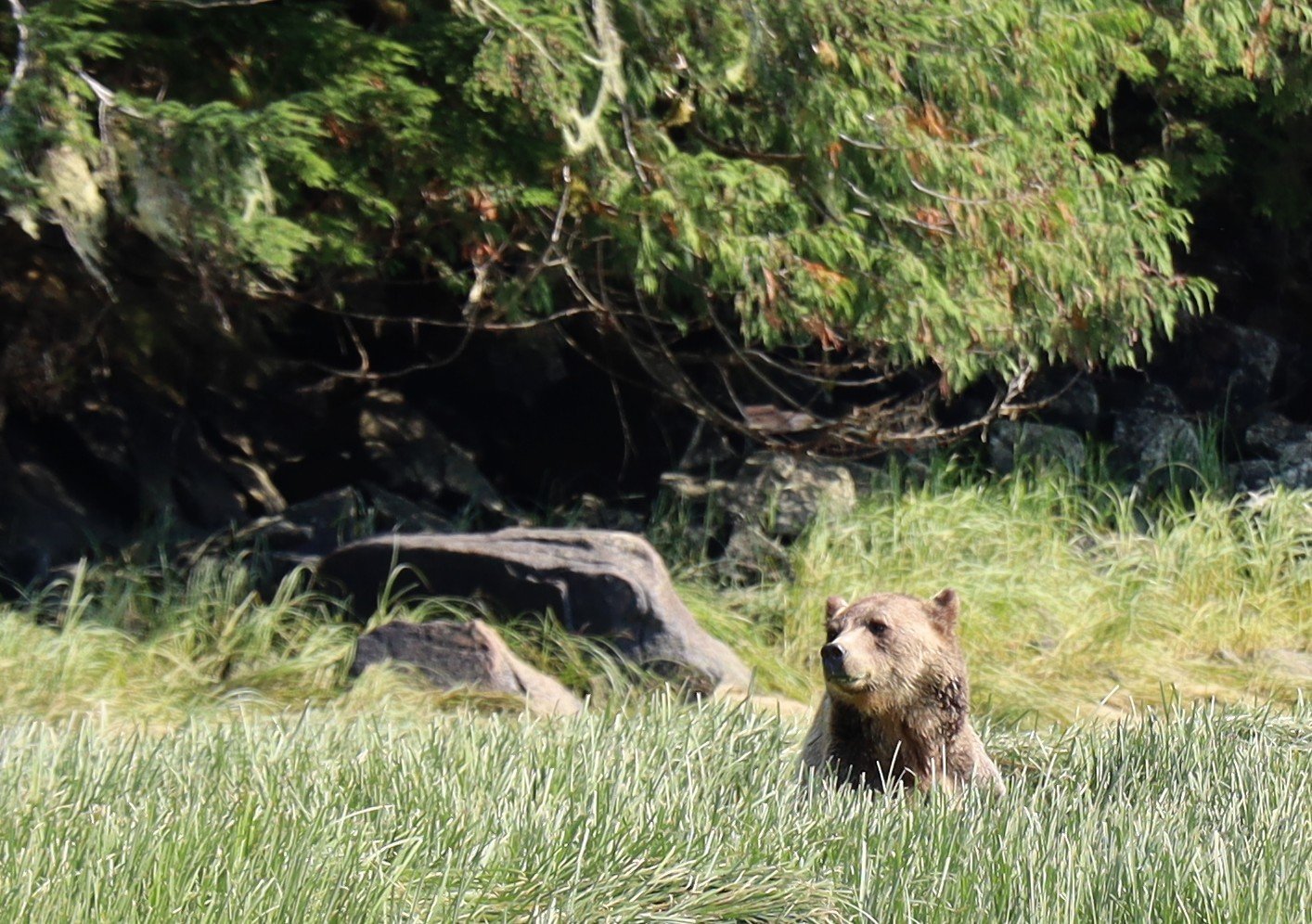
Clients are widening the seasons in which they’re happy to visit destinations. In part due to growing crowds, they’re booking “off-season” travel and happily accepting the trade-offs.
Bentley’s examples:
- Switzerland in November: There may be a small compromise on weather, but clients get space on a panoramic train journey. The Bernina Express and Treno Gottardo run year-round.
- Bear watching in Canada, May or October: The town’s restaurants and attractions may not be fully operational for the season, but the bear watching is enhanced by lower crowds and, in May, the chance to see bear cubs fresh out of hibernation.
7. Nocturnal exploration shines
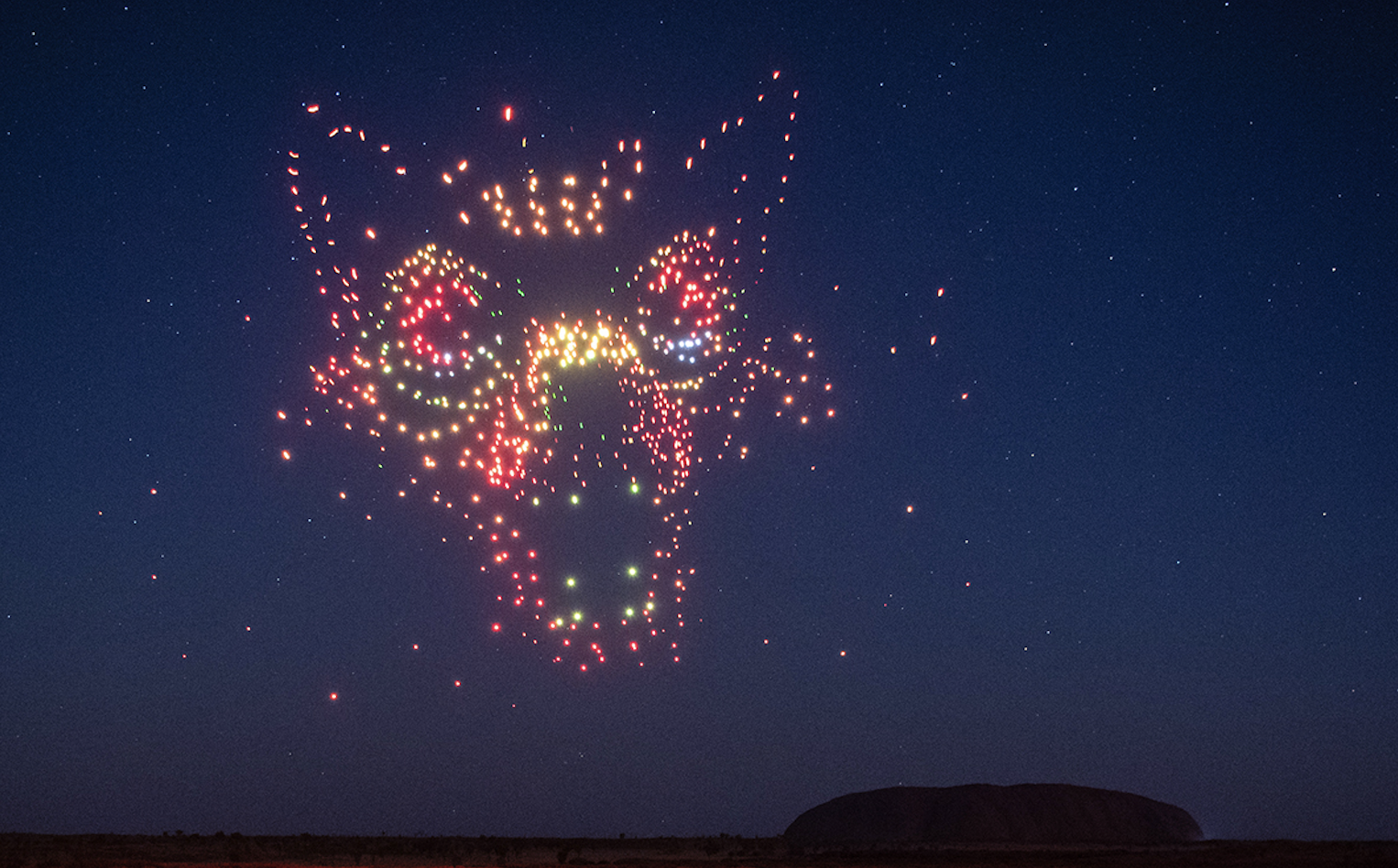
Solar eclipse and nocturnal tourism continue to rise, including clients keen to see the northern lights. Audley also reports growing bookings for evening experiences featuring light.
Bentley says: “From a firefly experience in Ubud or seeing Cambodian temples by torchlight, to a drone show at Uluru sharing the story of Anangu (the custodians of the land who hold the Mala story from Kaltukatjara to Uluru) in an immersive storytelling experience, clients are keen to experience their chosen destination from a fresh perspective.”
8. Boomerang cruising
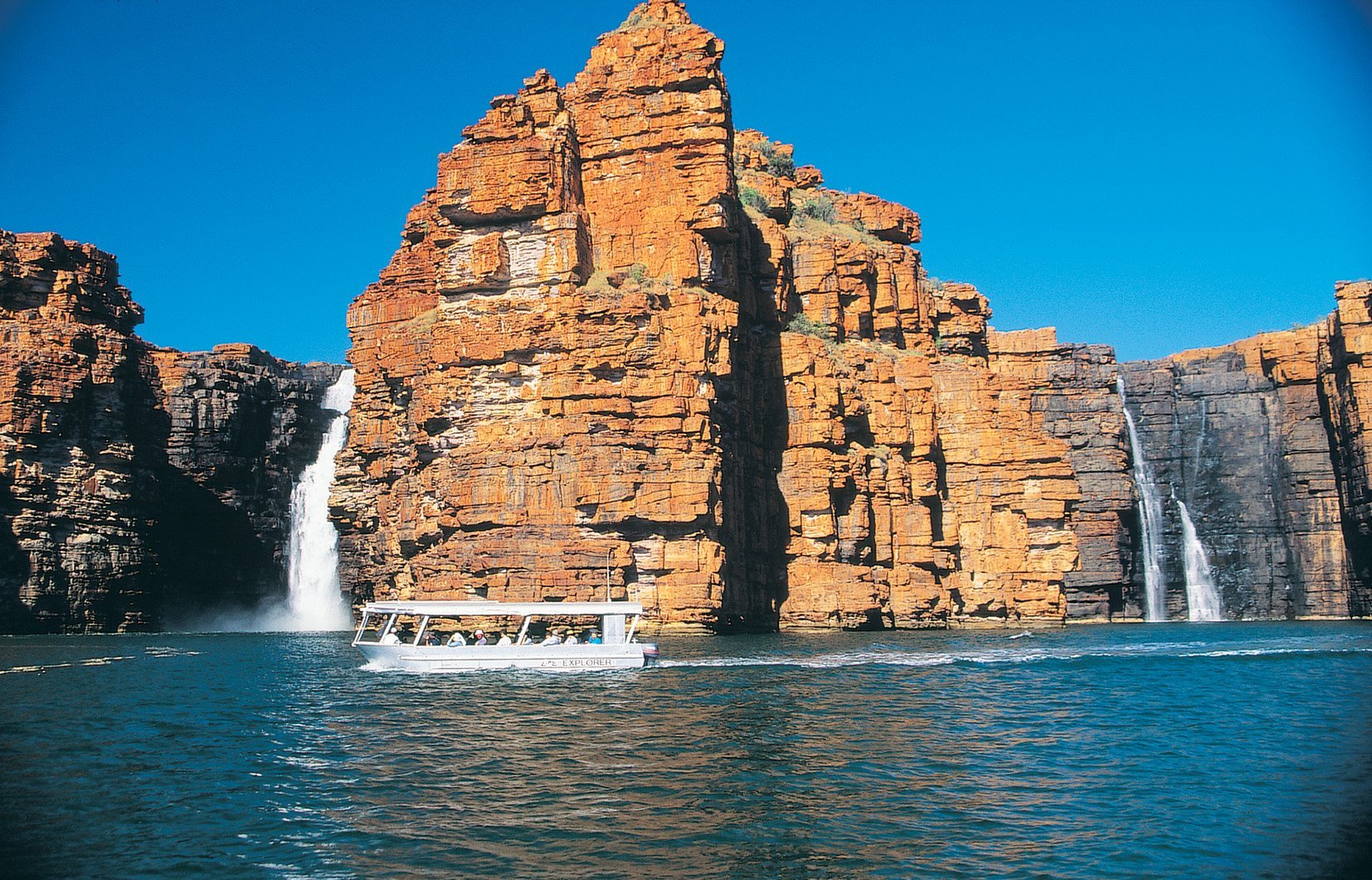
A growing number of clients are choosing a cruise to explore further a destination they enjoyed on a first visit. Examples include Assam’s rivers in India and Australia’s Kimberley region.
Sean Atton, Global Head of Cruise at Audley Travel, says: “The first land-based trip really catches the client’s interest. They tell our specialists they loved exploring the destination, learning about its culture and speaking to its people.
“But they want more for a return visit, and are increasingly finding this by including a cruise element in their itinerary. Booking an itinerary that utilises water exploration as well as land gives access to typically hard-to-reach places (travelling in comfort) at the same time as allowing time, pre- or post-cruise, for the land experiences they discovered and loved on their first visit.”


