



New research has revealed the UK’s most accessible visitor attractions for 2026, highlighting where travellers with disabilities can expect the best-supported experiences – and where improvements are still needed.
The scoring system was based on six core accessibility features:
- Accessible toilets
- Guide dogs permitted
- Mobility aids available on-site
- Motorised scooter access
- On-site disabled parking
- Free carer tickets
Each attraction received one point for every feature clearly confirmed on its official website. These scores were then combined with review data, including ratings from Euan’s Guide, to produce a final accessibility rating.
Revealed: the most accessible UK attractions for 2026

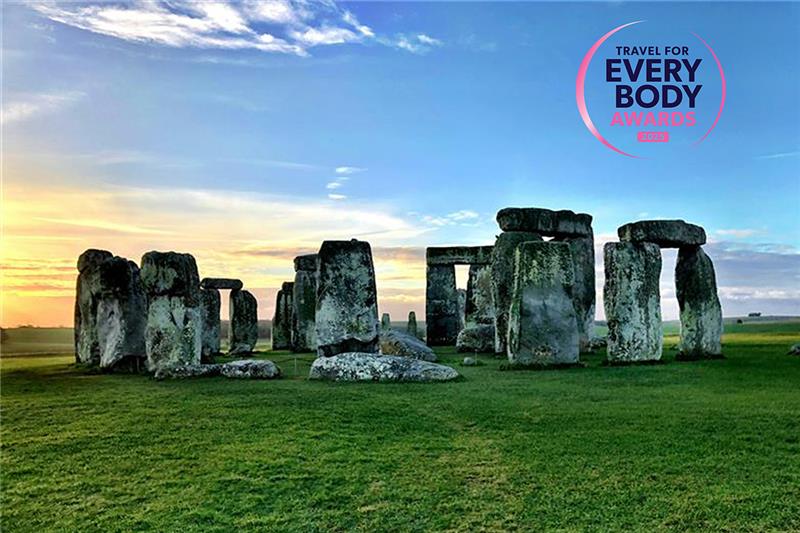
Taking the top spot is Stonehenge, which was ranked the most accessible attraction in the UK. The world-famous prehistoric site offers step-free access, disabled parking, free carer tickets and mobility aids, demonstrating that even ancient landmarks can deliver inclusive visitor experiences.
In second place is Alton Towers, named the UK’s most accessible theme park. The resort stood out for its adapted rides, accessible facilities and strong support for guests requiring assistance.
Rounding out the top three is The British Museum, one of the world’s most visited museums, which also scores highly for accessibility thanks to mobility aids, guide dog access and disabled parking.
Scotland also features prominently, with Kelvingrove Art Gallery and Museum ranked as the country’s most accessible museum experience, combining world-class collections with excellent on-site accessibility support.
The Titanic Belfast and National Railway Museum both score full marks across most categories, proving that immersive heritage experiences can be designed for everyone.
Top 10 most accessible
- Stonehenge
- Alton Towers
- The British Museum
- Kelvingrove Art Gallery and Museum
- Titanic Belfast
- National Railway Museum
- Warwick Castle
- Royal Yacht Britannia
- Tower Bridge
- National Museum of Scotland

Researchers noted the strong geographical spread across the rankings, with leading attractions located not only in London but also in Belfast, York, Warwick, Glasgow and Edinburgh, suggesting that accessibility improvements are being adopted nationwide.
Least accessible attractions
At the lower end of the rankings were attractions including Sky Garden, Edinburgh Old Town and London Eye. These sites scored poorly largely due to missing or unclear information around mobility aids, disabled parking and scooter access, highlighting that transparency can be as important as physical adaptations.
The findings show that many historic and outdoor attractions, including Stonehenge and Warwick Castle, are leading the way in inclusive tourism – but also that there is still work to be done to ensure consistent, clear communication across the sector.
The full methodology was based on the UK’s 25 best-rated attractions on TripAdvisor, combining accessibility features, review scores and Euan’s Guide ratings to create an overall ranking for 2026.
With millions of people in the UK living with a disability, the research underlines that accessibility is not just about how exciting an attraction looks, but whether visitors can realistically and confidently enjoy it.


