


Tourism has long been a facet of life in Tenerife’s north yet many settlements have retained their authenticity. Towns such as Puerto de la Cruz and Garachico, villages including Icod de los Vinos, warrant hiring a car to drive on the scenic, winding roads linking populated hillside pockets.
A sense of community and identity is most palpable in the festivals, where visitors are welcome to observe and join in. In Puerto de la Cruz, as well as in other northern municipalities (such as Tacoronte), Carnival is celebrated with its own schedules of activities and unique events.
Nature and the Outdoors
Tenerife has 43 protected natural areas that cover half of its territory. Teide National Park is well worth a visit due to the unprecedented richness and diversity of its landscapes as well as the natural treasures it contains.
At 3,715 metres, Mount Teide is the third largest volcano in the world, and the highest peak in Spain. It was declared a World Heritage Site in 2007 by UNESCO.
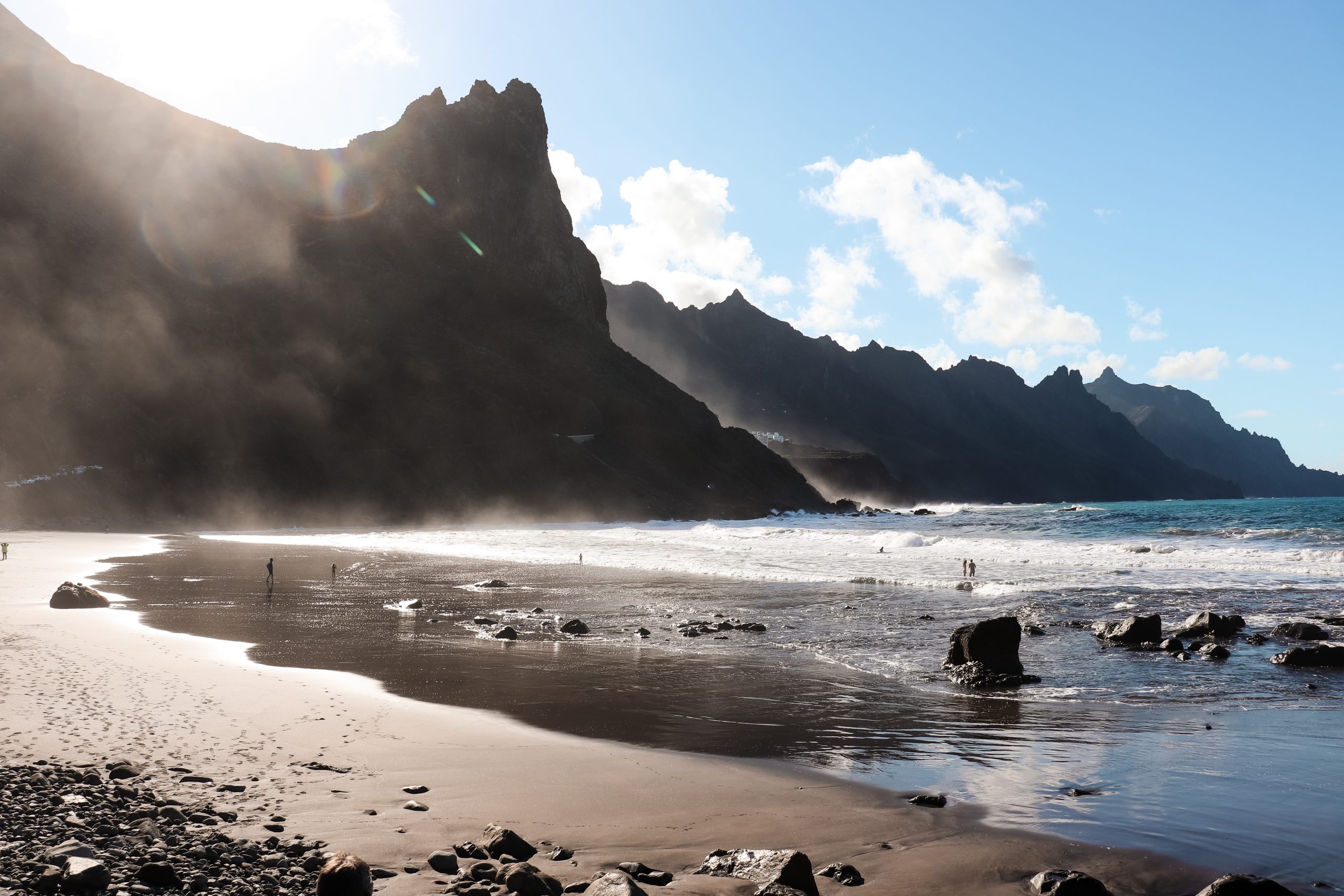
Meanwhile, The Anaga Rural Park, a UNESCO Biosphere Reserve, has marked walking trails enabling visitors to breathe the air of the ancient Laurel Forest which dates back to the Cenozoic Era.
Afterwards, dip into charming communities for a glass of locally fermented wine or a cold Dorada beer at a taverna. In the coastal hamlet of Taganana, standing barefoot on volcanic black sand and strolling ankle-deep in seawater offers an alternative form of revitalisation.
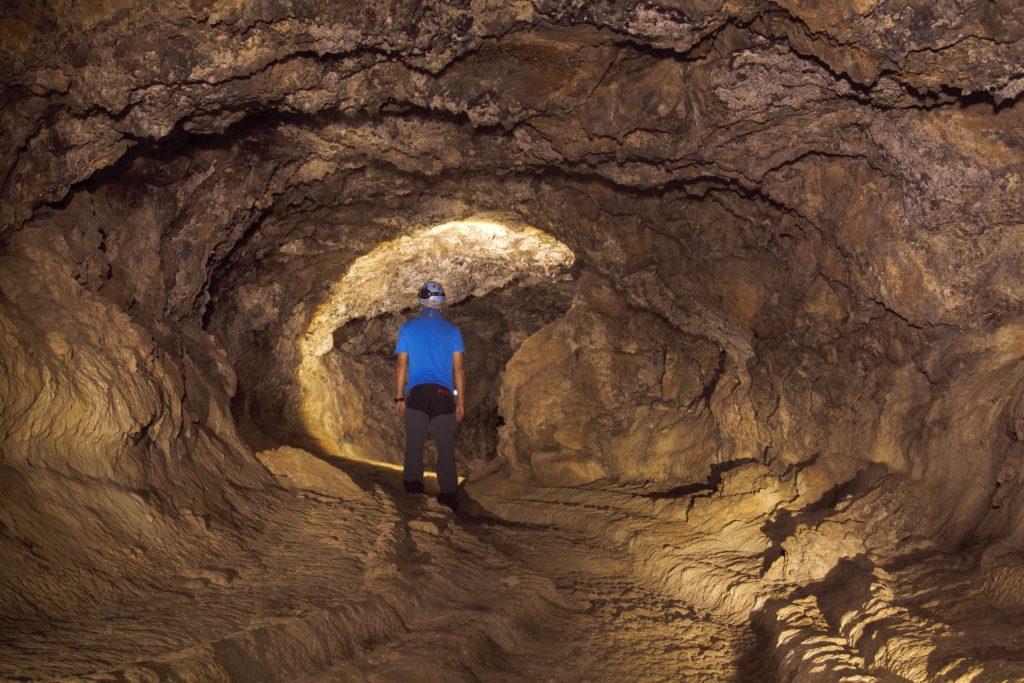
The Teno Rural Park is located in the northwestern corner of Tenerife, in one of the first areas of the island to emerge from the sea, plus Tenerife is also home to the largest volcanic tube in Europe: the Cueva del Viento, which is 27,000 years old and 17 kilometres long.