

Tenerife’s history, architectural heritage and cultural scene embrace traditions and modernity, offering much for visitors.
UNESCO declared San Cristóbal de La Laguna a World Heritage Site in 1999. Designed on a grid system, the layout was a model for cities in Latin America, including Cartagena de Indias and Old Havana. Homes, churches, convents and palaces, it has a rich artistic and artistic-religious heritage.
The Church of the Conception and the surrounding Old Town of Santa Cruz, the island’s capital, warrant visiting. So too do the city’s avant-garde buildings. They include the Auditorio de Tenerife (Tenerife Auditorium) and the International Trade Fair and Conference Centre –both designed by Santiago Calatrava. The auditorium hosts orchestral performances of classical music, operas and other cultural events.
TEA and architecture
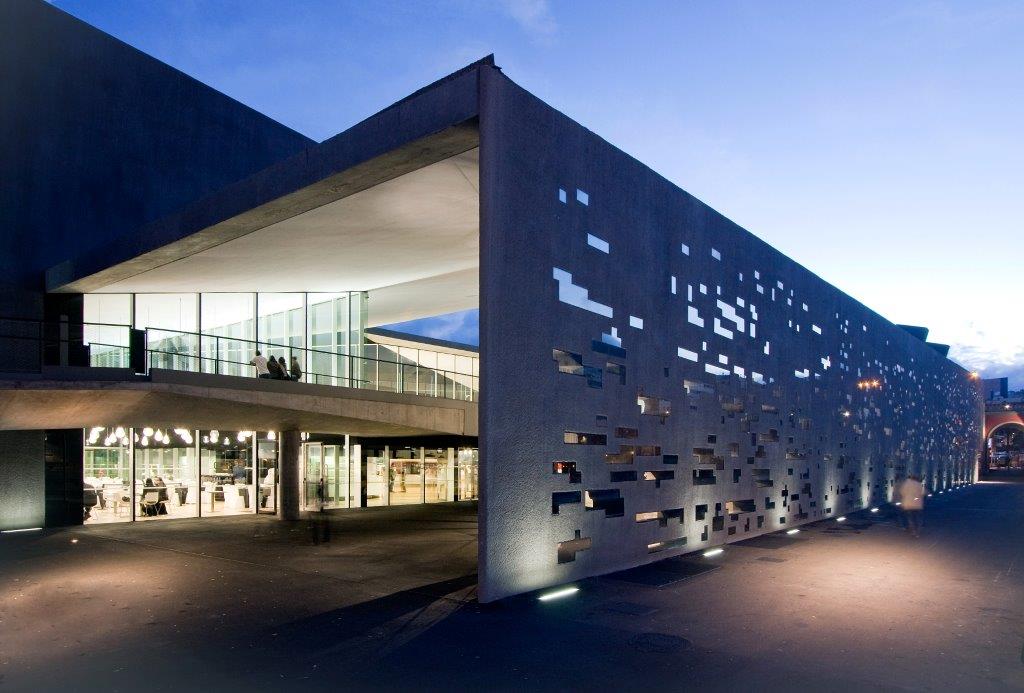
Another example of eye-catching contemporary architecture in Santa Cruz is the Tenerife Espacio de las Artes, often referred to simply as the TEA.
Designed by Herzog and De Meuron, the TEA’s collection encompasses more than 2,000 artworks, including pieces by Óscar Domínguez, Henry Moore and Andy Warhol. The TEA hosts exhibitions by some of the art scene’s most exciting creators.
Outside the contemporary arts hub, visitors can appreciate Carla, an iconic sculpture by the Catalan artist Jaume Plensa.
A Genoese merchant, Cristóbal de Ponte, founded Garachico in 1496. On the island’s north coast, the picturesque town is regarded as one of the most beautiful in Spain. With cobbled lanes and centuries-old buildings, it has natural pools shaped by lava.
Designated a Historic-Artistic Site, La Orotava is a charming town that preserves large stately homes from centuries ago. Some, such as the Casa de los Balcones, still have their traditional Canarian balconies.
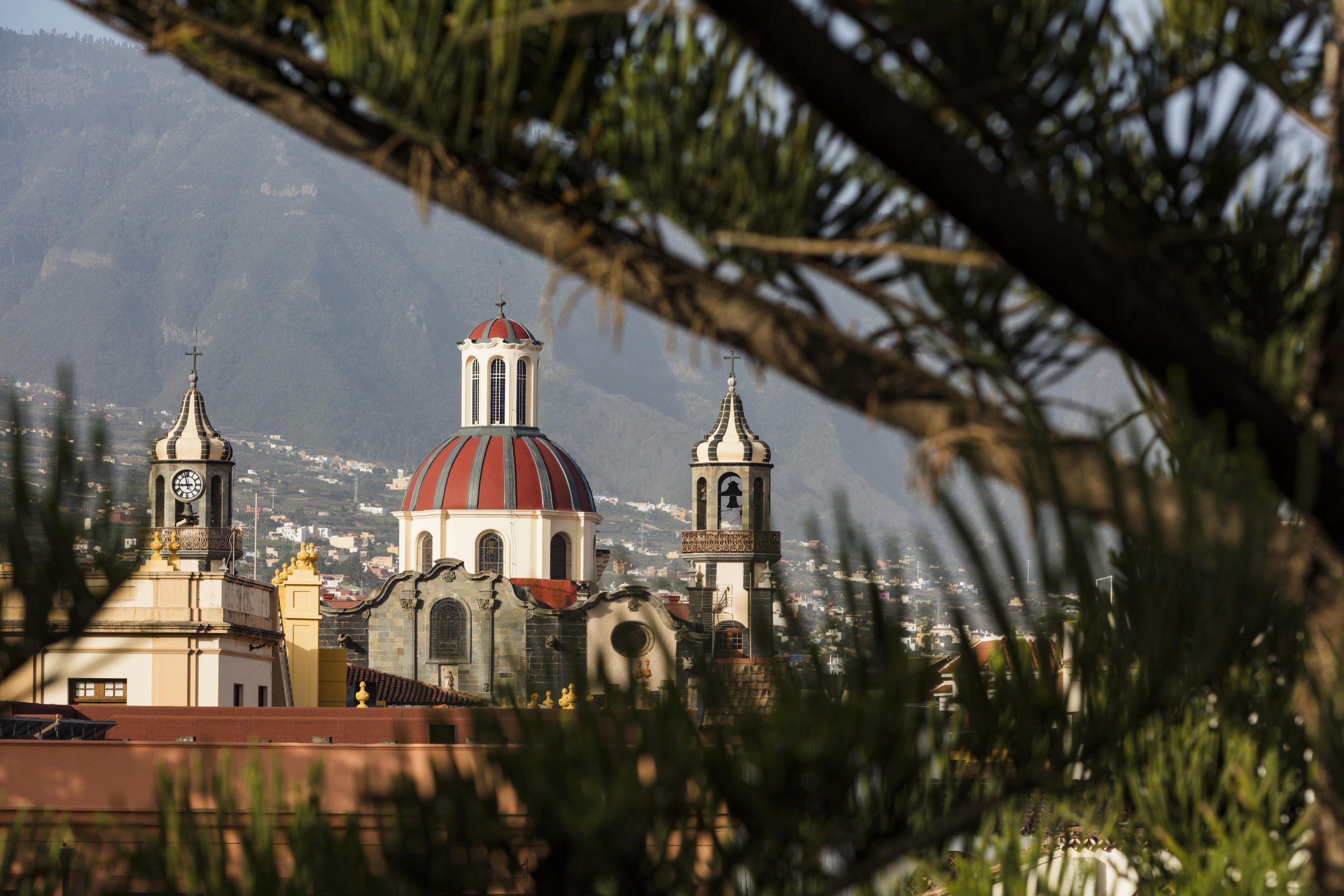
The Church of Our Lady of Conception is one of the island’s most beautiful religious buildings while the Molino de gofio La Máquina is a traditional mill preparing one of the island’s staples.
At an altitude of 1,000 metres above sea level, the drive to the pretty town of Santiago del Teide offers views of lush and rugged landscapes. Held early in the year, the Fiesta de los Almendros en Flor celebrates the blooming of local almond trees.
The Mirador Archipenque is an ideal spot for viewing the towering cliffs of Los Gigantes, giant volcanic rock walls that rise 500 to 800 metres straight out of the Atlantic Ocean
Carnival and celebrations
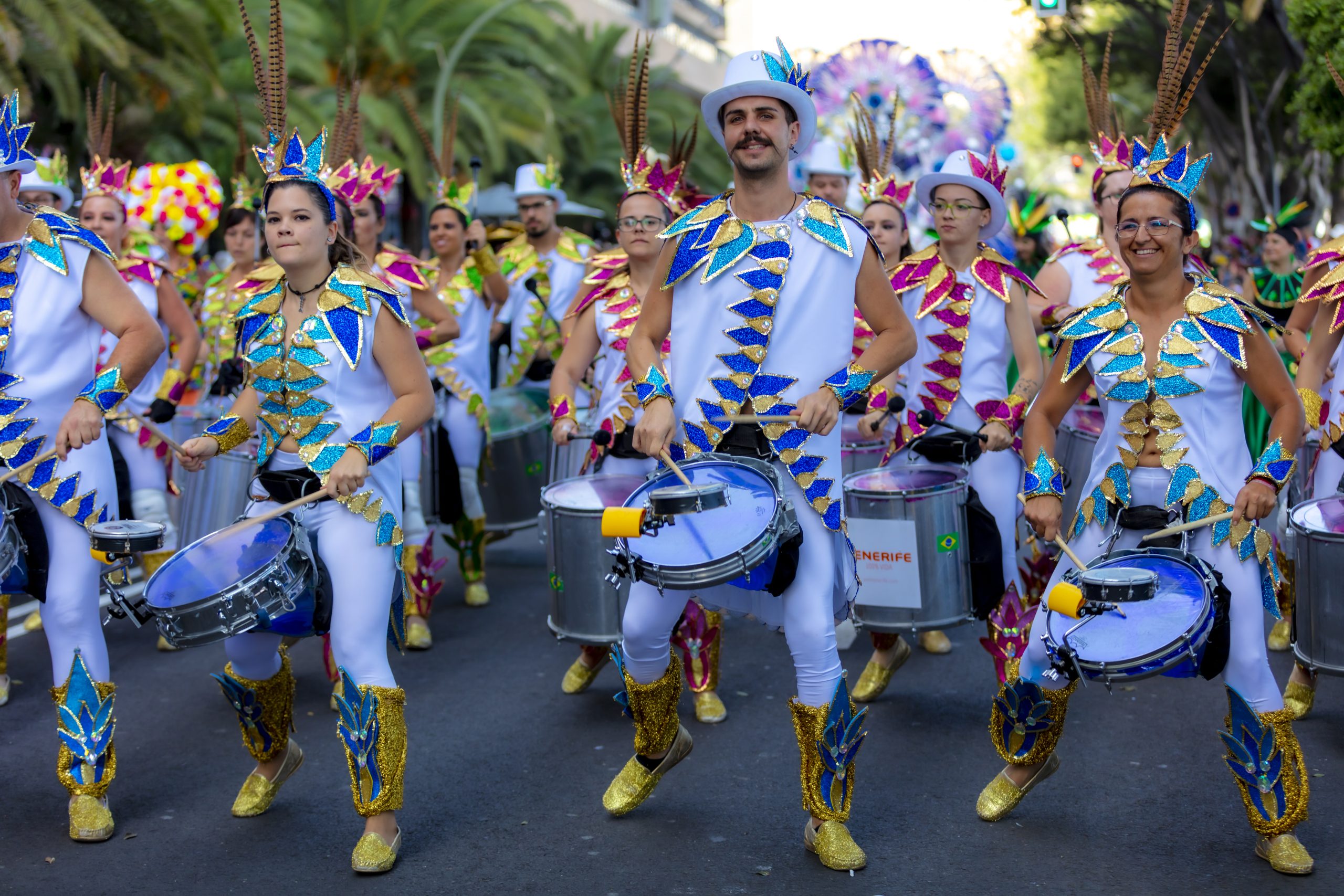
Having fun is central to the island’s festivals, with the Santa Cruz de Tenerife Carnival the second biggest in the world. Visitors can dance in the streets and enjoy the colour and spectacle of thousands of people in costumes.
Traditional festivals during the spring and summer, some centred around pilgrimage, also welcome participation.
Joining in enables visitors to get to know the island’s folklore, gastronomy and music while viewing locals in traditional attire.
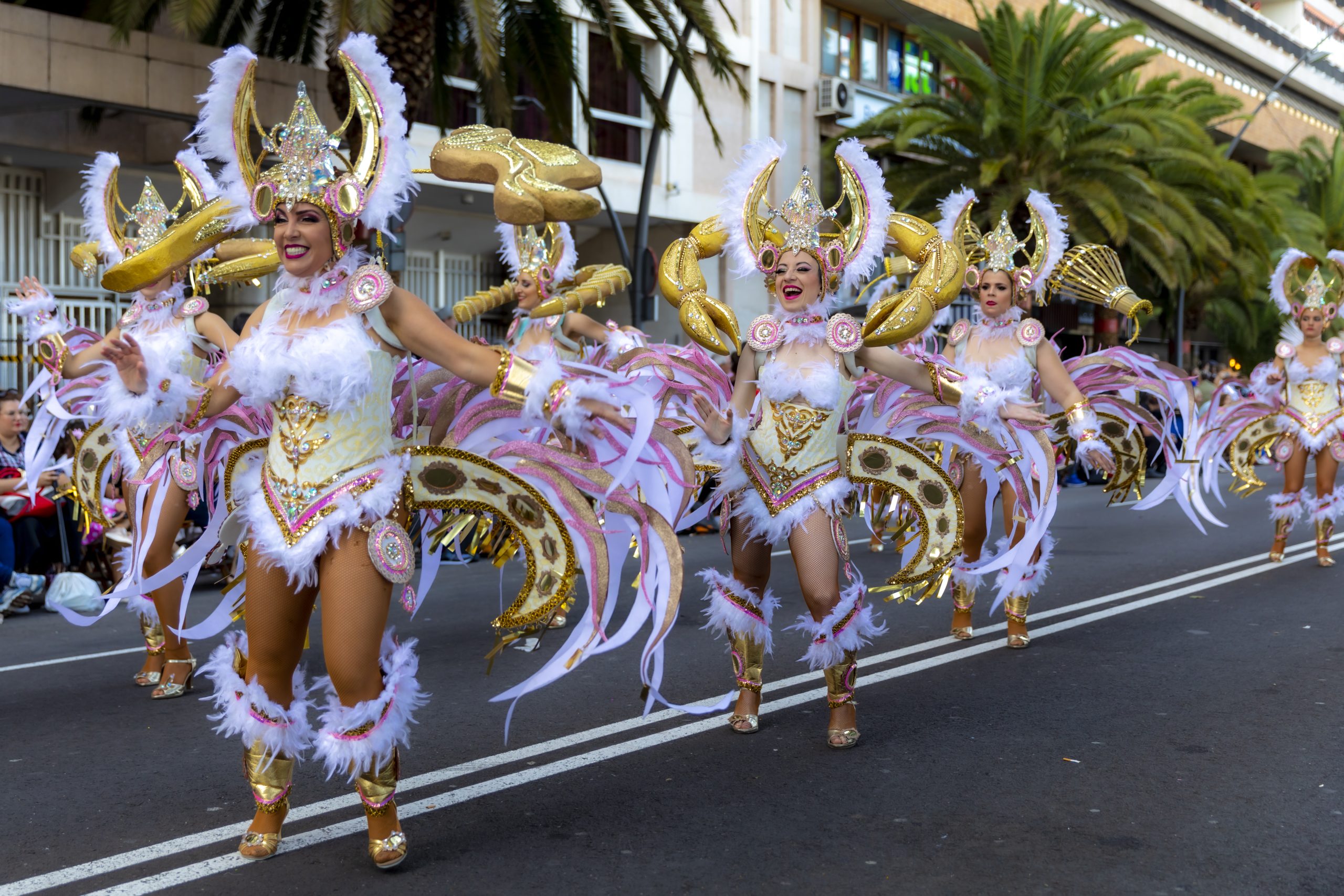
By contrast, during the autumn, the island showcases contemporary fashion during Tenerife Fashion Beach, an event that creates synergies between fashion and tourism in which talks on fashion feature. Models strut their stuff in designer gear on an outdoor runway at Playa del Duque.
Murals and sculptures
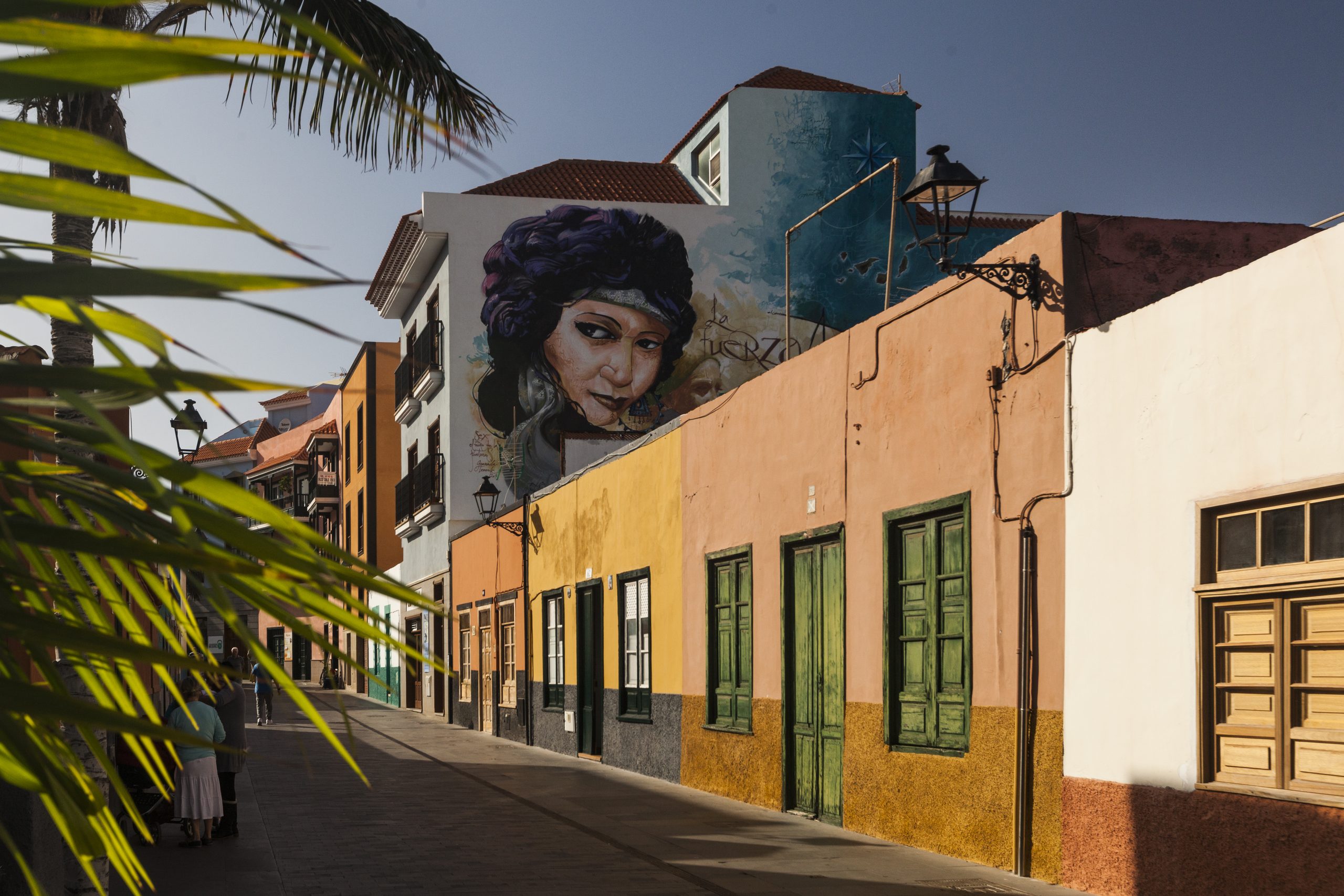
One of Tenerife’s most representative art exhibitions is the mural route known as ‘Puerto de la Cruz Street Art,’ located in the La Ranilla neighborhood. The works are by some of the brightest stars of the street art scene, making it worthwhile for visitors to stroll through the lanes.
In Santa Cruz, the Street Sculpture Visitor Centre is a reason to visit García Sanabria Park. It’s an ideal starting point for rambling around La Rambla and viewing the works installed during the International Street Sculpture Exhibitions of 1973 and 1992. Works by the likes of Fernando Botero, Jean Miró and Ricardo Ugarte are on show.
The Municipal Museum of Fine Arts, also in Santa Cruz, houses a collection that includes 16th-century Flemish paintings. Works by Jan Brueghel the Elder, José de Rivera and Pieter Coecke. El Círculo de Bellas Artes de Tenerife, established more than a century ago, also showcases notable artworks.
Mummies and artefacts providing insights into the island’s original human inhabitants, the Guanches, are displayed in the Museum of Nature and Archaeology. The MUNA is in an 18th-century hospital building in Santa Cruz.
In La Laguna, an extensive programme of alternative art and culture gives people reasons to visit the Aguere Espacio Cultural. While in the city, visitors wishing to delve into cultural connections with Latin America can do so at the Canary Islands and America Documentation Centre. The interactive Museum of Science and the Cosmos (MCC) provides insights into anatomy and the universe.
In Valle de Guerra stands the Casa de Carta, one of the sites of the Tenerife Museum of History and Anthropology (MHA). This museum is a fine example of a residence built for the nobility in the 18th century.